By the Numbers: Scotland’s Nations Championship Southern Series
28 Jul 2026Take a look at how Scotland stack up by the numbers at the halfway point of the inaugural Nations Championship.


Take a look at how Scotland stack up by the numbers at the halfway point of the inaugural Nations Championship.
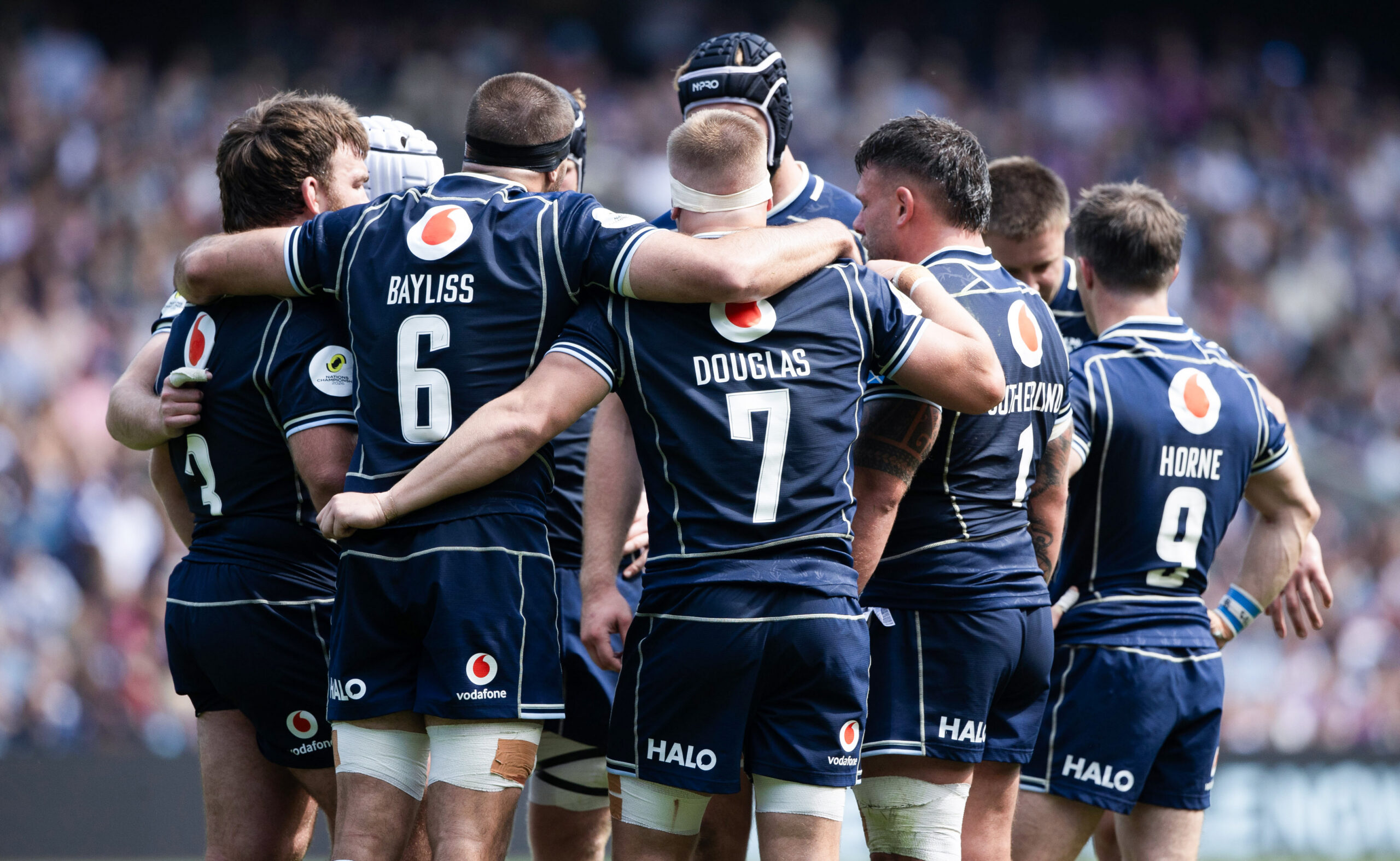 EDINBURGH, SCOTLAND - JULY 18: The Scotland players huddle during a Nations Championship match between Fiji and Scotland at Scottish Gas Murrayfield Stadium, on July 18, 2026, in Edinburgh, Scotland. (Photo by Craig Williamson / SNS Group)
 After three highly intense games for Gregor Townsend’s men, and 18 across the wider Nations Championship, the data has revealed a trend of Scottish attacking power. Currently ranked second amongst the Northern Hemisphere teams, Scotland will need to bring every bit of momentum into the three major fixtures at Scottish Gas Murrayfield against the All Blacks, Australia and Japan this November. Tickets for these games are available now.
When examining team performance across the initial 18 matches of the tournament, Scotland established themselves as one of the premier attacking force among Northern Hemisphere sides. The side led all Northern teams in total ground gained, totting up 1,719 metres made. That tally placed Scotland second overall across the entire 12-nation competition, trailing only New Zealand, who registered 1,767 metres.
This territorial gain was built on consistent work with the ball in hand. Scotland posted the highest number of carries in the North with 550, once again ranking second globally behind the All Blacks, who recorded 599. The Scottish attack also demonstrated precision out of contact, producing 34 offloads, the highest total in the Northern Hemisphere and behind only Fiji’s tournament-leading tally of 50.
In terms of finishing power, Scotland ended joint-second in the North for total tries scored alongside France, both sides crossing the line 16 times. They trailed England, who racked up 19 tries, a tally boosted by an impressive 11-try performance against Fiji, putting Scotland fifth overall among all competing nations. In total points scored, Scotland finished mid-table in sixth place with 108 points. Ball-in-hand proved to be a driving force in Scotland’s second position in the Northern table heading into the autumn window.

[PICTURED] Scotland’s Sione Tuipulotu (L) and Kyle Rowe during a Nations Championship match between Argentina and Scotland at the Estadio Mario Alberto Kempes, on July 04, 2026, in Cordoba, Argentina.
At an individual level, Scotland’s attacking output was defined by a spread of the load as well as some strong individual performances. Four players led the team’s try-scoring effort with two tries apiece across the three fixtures: Kyle Rowe, Scott Cummings, Jamie Dobie, and Pierre Schoeman. Highlighting the collective spread of Scotland’s attack, eight additional players also crossed the whitewash.
Stand-off Fergus Burke topped Scotland’s individual scoring charts, contributing 12 points across the series, with all of his tally coming from the boot.
In the physical exchanges, captain Sione Tuipulotu set the standard from the midfield, carrying the ball 36 times across the three Test matches, more than any other Scottish player during the summer campaign.
Meanwhile, back-three playmaker Kyle Rowe delivered the team’s most potent ground-gaining figures. Despite featuring in only two of the three matches, Rowe made a team-high 208 metres. Remarkably, he was the only player in the top 12 across the entire tournament’s metres-made leaderboard to have played just two games, illustrating his high efficiency in open field.
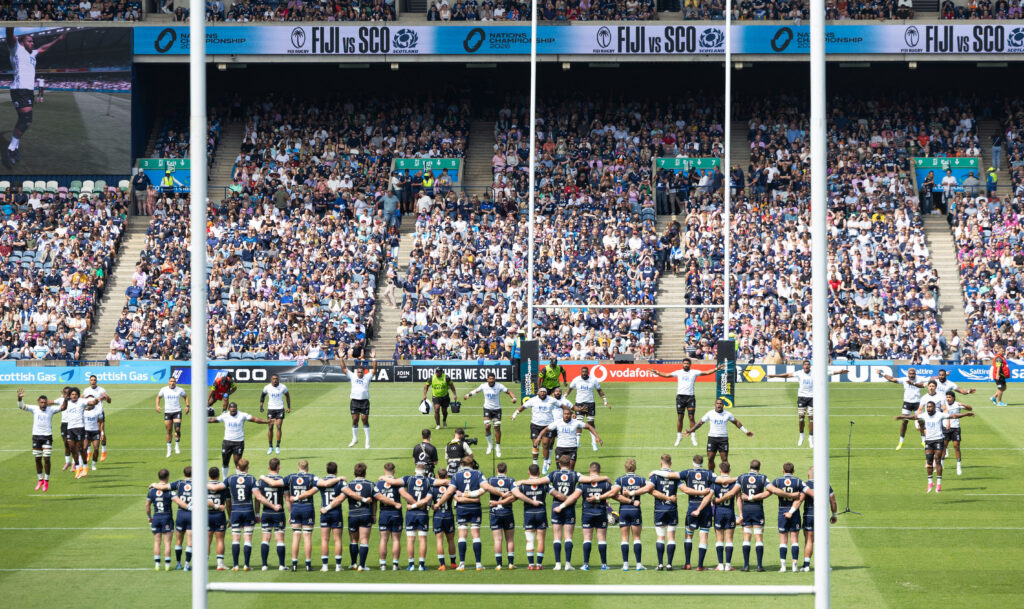
[PICTURED] The Fiji players perform the Cibi during a Nations Championship match between Fiji and Scotland at Scottish Gas Murrayfield Stadium, on July 18, 2026, in Edinburgh.
Beyond the action on the pitch, Scottish Gas Murrayfield set the benchmark for global supporter engagement. The Round 3 clash between Fiji and Scotland boasted the largest crowd of the entire Nations Championship summer series, drawing 55,215 fans to the capital and setting Fiji’s new home attendance record.
South Africa’s opening-round hosting of England at Ellis Park took a crowd of 52,790, while Japan’s welcome of France drew 52,632 supporters to the Japan National Stadium in Tokyo.
 Scotland Men
Archie Goodburn to deliver match ball at Scotland v Australia
Wed 21 Oct 2026
Scotland Men
Archie Goodburn to deliver match ball at Scotland v Australia
Wed 21 Oct 2026
 Scotland Men
Josh Kerr to deliver match ball at Scotland v New Zealand
Fri 16 Oct 2026
Scotland Men
Josh Kerr to deliver match ball at Scotland v New Zealand
Fri 16 Oct 2026
 Scotland Men
Exclusive first look: New Archive Collection revealed
Thu 8 Oct 2026
Scotland Men
Exclusive first look: New Archive Collection revealed
Thu 8 Oct 2026
 Scotland Men
Terrace 22: A New Way to Experience Matchday at Scottish Gas Murrayfield
Wed 7 Oct 2026
Scotland Men
Terrace 22: A New Way to Experience Matchday at Scottish Gas Murrayfield
Wed 7 Oct 2026
 Scotland Men
One year to go: The Rugby World Cup 2027
Thu 1 Oct 2026
Scotland Men
One year to go: The Rugby World Cup 2027
Thu 1 Oct 2026
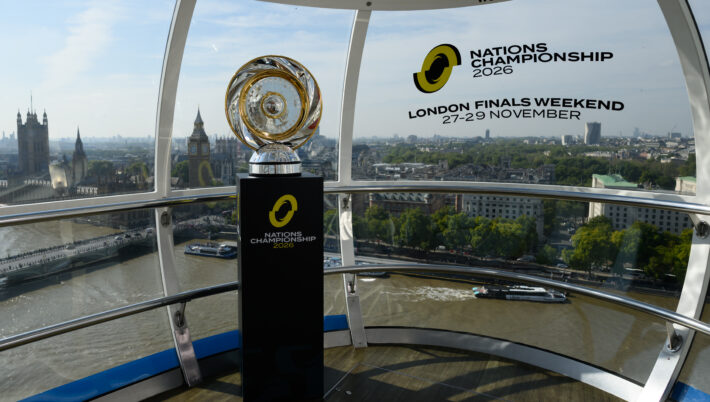 Scotland Men
Nations Championship Hemisphere Shield Unveiled
Tue 29 Sep 2026
Scotland Men
Nations Championship Hemisphere Shield Unveiled
Tue 29 Sep 2026
 Scotland Men
Marathon Matt set for new sporting challenge
Wed 23 Sep 2026
Scotland Men
Marathon Matt set for new sporting challenge
Wed 23 Sep 2026
 Scotland Men
Scotland v New Zealand Sold Out: VIP & Hospitality Packages Still Available
Thu 10 Sep 2026
Scotland Men
Scotland v New Zealand Sold Out: VIP & Hospitality Packages Still Available
Thu 10 Sep 2026
 Scotland Men
Scottish Rugby x YETI products now available to buy online
Tue 18 Aug 2026
Scotland Men
Scottish Rugby x YETI products now available to buy online
Tue 18 Aug 2026
 Scotland Men
How the 2026/27 away kit was built on stone and ice
Wed 22 Jul 2026
Scotland Men
How the 2026/27 away kit was built on stone and ice
Wed 22 Jul 2026
 Scotland Women
Scottish Rugby and Macron launch Away Kit
Wed 22 Jul 2026
Scotland Women
Scottish Rugby and Macron launch Away Kit
Wed 22 Jul 2026
 Scotland Men
Roundup: The Nations Championship Southern Series
Tue 21 Jul 2026
Scotland Men
Roundup: The Nations Championship Southern Series
Tue 21 Jul 2026
 Scotland Men
Match Report: Fiji 17-33 Scotland
Sat 18 Jul 2026
Scotland Men
Match Report: Fiji 17-33 Scotland
Sat 18 Jul 2026
 Scotland Men
Scotland team pay tribute to Scott Hastings
Fri 17 Jul 2026
Scotland Men
Scotland team pay tribute to Scott Hastings
Fri 17 Jul 2026
 Scotland Men
Fiji and Scotland to celebrate record-breaking matchday
Fri 17 Jul 2026
Scotland Men
Fiji and Scotland to celebrate record-breaking matchday
Fri 17 Jul 2026
 Scotland Men
McDowall to lead Scotland against Fiji
Thu 16 Jul 2026
Scotland Men
McDowall to lead Scotland against Fiji
Thu 16 Jul 2026
 Scotland Men
Fiji vs Scotland: Food and Drink Guide
Wed 15 Jul 2026
Scotland Men
Fiji vs Scotland: Food and Drink Guide
Wed 15 Jul 2026
 Scotland Men
Scouting the Flying Fijians: Senirusi Seruvakula’s Fiji Squad
Wed 15 Jul 2026
Scotland Men
Scouting the Flying Fijians: Senirusi Seruvakula’s Fiji Squad
Wed 15 Jul 2026
 Scotland Men
Match Preview: Fiji v Scotland
Wed 15 Jul 2026
Scotland Men
Match Preview: Fiji v Scotland
Wed 15 Jul 2026
 Scotland Men
Fiji vs Scotland Matchday Guide: Kick-off Time, Venue & Info
Tue 14 Jul 2026
Scotland Men
Fiji vs Scotland Matchday Guide: Kick-off Time, Venue & Info
Tue 14 Jul 2026