Six Nations Fever: Fun Facts and Trivia Before Kick-Off
2 Feb 2026As Scotland prepare to battle it out against Europe's finest, it's the perfect time to delve into the rich history that makes this tournament so special.


As Scotland prepare to battle it out against Europe's finest, it's the perfect time to delve into the rich history that makes this tournament so special.
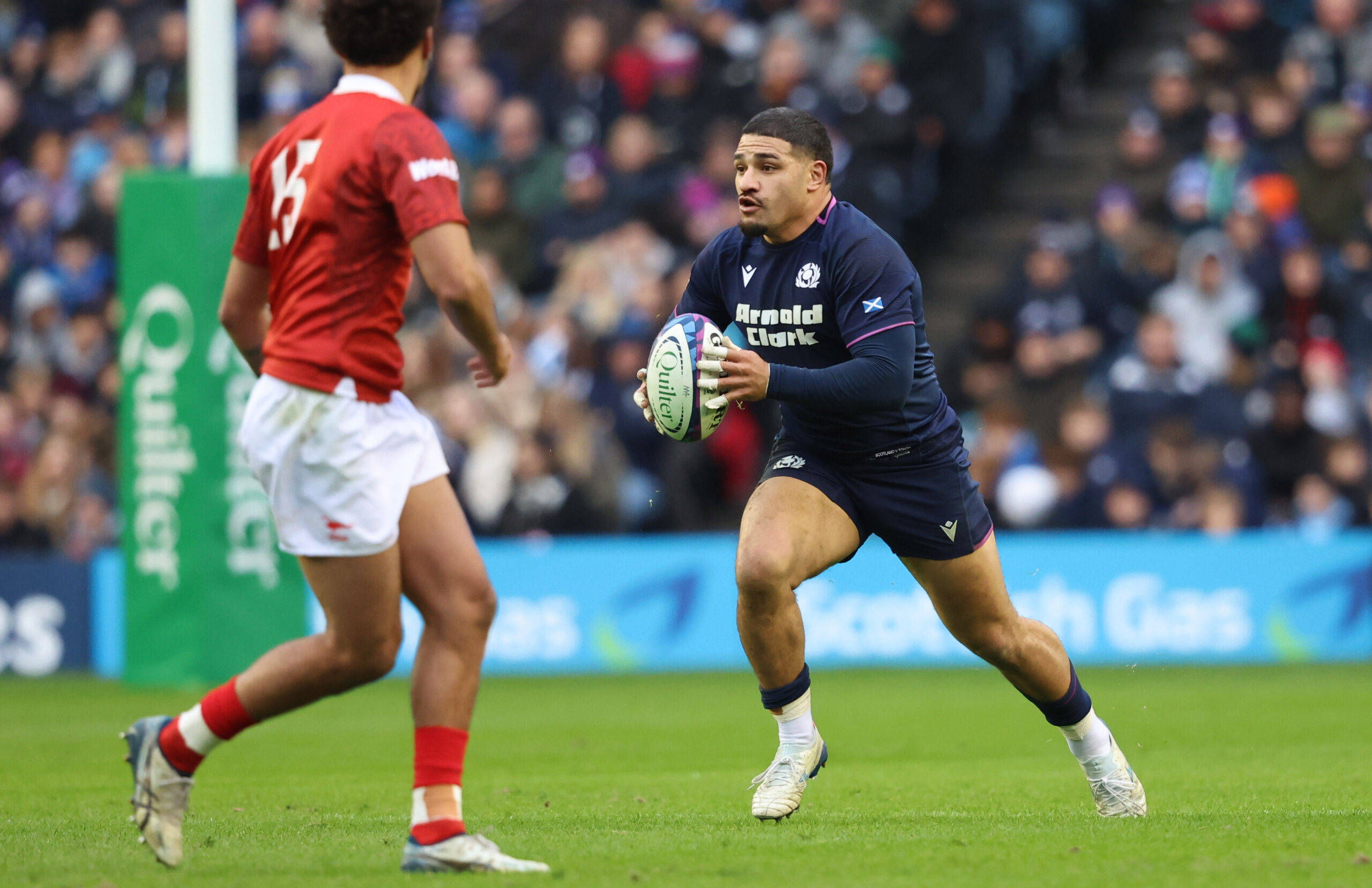 EDINBURGH, SCOTLAND - NOVEMBER 23: Scotland's Sione Tuipulotu in action during a Quilter Nations Series match between Scotland and Tonga at Scottish Gas Murrayfield, on November 23, 2025, in Edinburgh, Scotland. (Photo by Ross MacDonald / SNS Group)
 The air is thick with anticipation, the bagpipes are tuning up, and palpable atmosphere inside Scottish Gas Murrayfield is just around the corner. That can only mean one thing: the 2026 Guinness Men’s Six Nations Championship is just around the corner!
So, before we settle in for a month of thrilling tries, crunching tackles, and nail-biting finishes, let’s get you in the mood with some fun facts and trivia about the greatest annual rugby championship in the world!
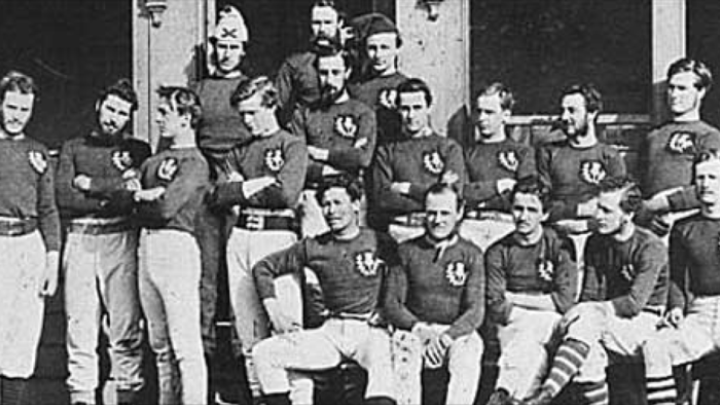
EDINBURGH, SCOTLAND – MARCH 27 1871: Scotland team before taking on England in the first rugby international at Raeburn Place, on March 21, 1871, in Edinburgh, Scotland.
A Brief History
The Six Nations, as we know it today, has a storied past. It all began in 1883 as the Home Nations Championship, contested by England, Scotland, Wales, and Ireland. France joined the party in 1910, turning it into the Five Nations. But did you know that France was expelled from the tournament in 1931 due to allegations of professionalism (which was against the amateur spirit of the game at the time)? They weren’t reinstated until the championship resumed after World War II in 1947.
Italy became the sixth nation to join the fold in 2000, creating the modern Six Nations. It’s truly a testament to the tournament’s enduring appeal that it has evolved and grown over more than a century.
Did you know? The current Championship Trophy is lined with 22-carat gold. Why? To protect the silver from the corrosive properties of the Champagne that winners inevitably pour into it during the celebrations!
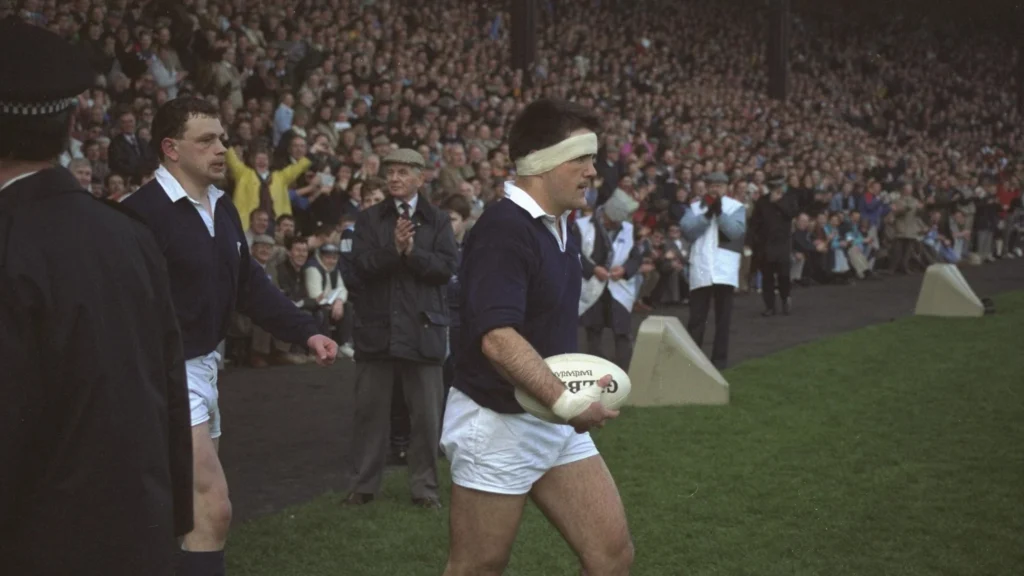
EDINBURGH, SCOTLAND – MARCH 17, 1990: David Sole leading the slow walk-out during the 1990 Five Nations Championship between Scotland and England at Murrayfield, on March 17, 1990, in Edinburgh, Scotland.
Grand Slams and Wooden Spoons
Every year, teams vie for ultimate glory – the Grand Slam, awarded to the team that defeats all five other nations. It’s a rare feat and a true mark of dominance. Scotland has achieved three Grand Slams in its history, the last coming in 1990, when the team were led out onto the pitch in a slow walk that to this day is referenced as having unsettled their fancied English opponents.
On the flip side, the team that loses all its matches is said to have won the Wooden Spoon. It’s the less glamorous, but equally memorable, award. While Italy has the most in the Six Nations era, it’s actually Ireland that holds the all-time record for the most last-place finishes across the tournament’s entire 140-year history.
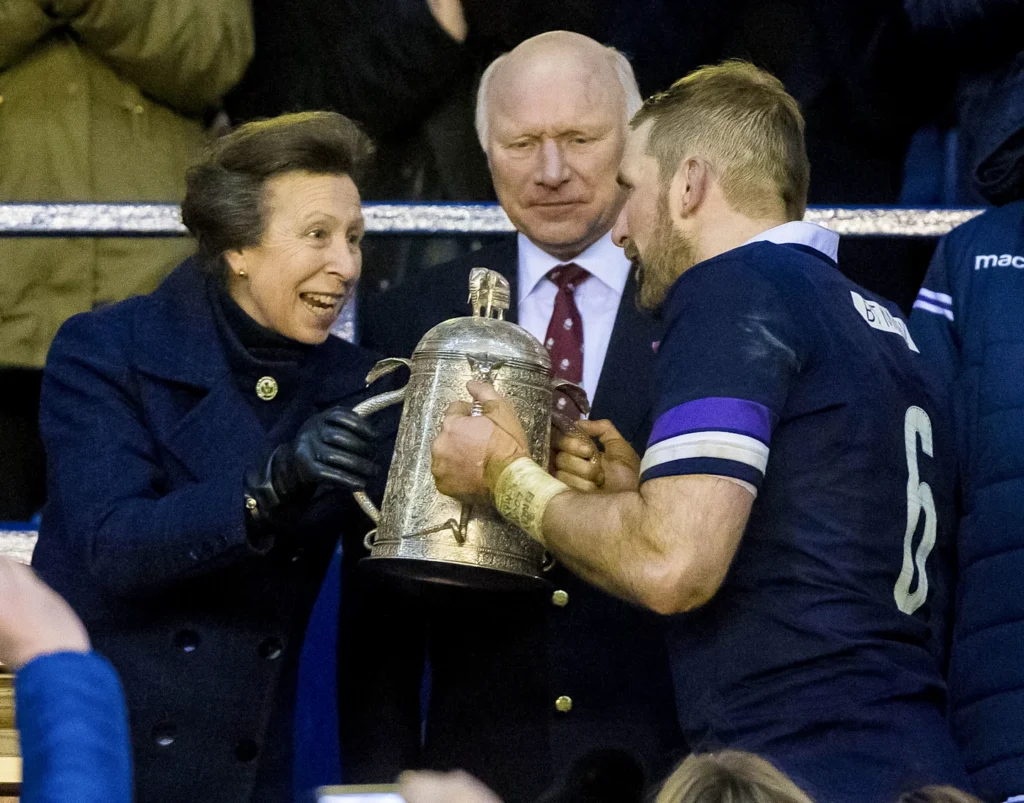
EDINBURGH, SCOTLAND – 24 FEBRUARY 2018: HRH the Princess Royal hands the Calcutta Cup to Scotland captain John Barclay during the RBS Six Nations match at BT Murrayfield, on 24 February 2018, in Edinburgh, Scotland.Rupees, Cobras, and Chaos
For us Scots, there’s one trophy that holds a special place in our hearts, the Calcutta Cup. This coveted trophy is contested annually between Scotland and England. After the Calcutta Rugby Football Club disbanded in 1878, they withdrew their remaining 270 silver rupees from the bank, melted them down, and crafted this unique trophy. If you look closely at the cup, the three handles are actually King Cobras, and an Indian elephant sits proudly on the lid.
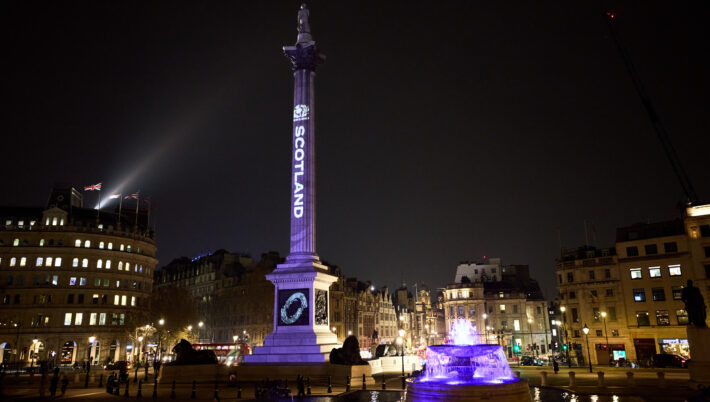 Scotland Men
“A Mini World Cup Before the Real Thing”: Scotland Stars on the Nations Championship
Thu 26 Mar 2026
Scotland Men
“A Mini World Cup Before the Real Thing”: Scotland Stars on the Nations Championship
Thu 26 Mar 2026
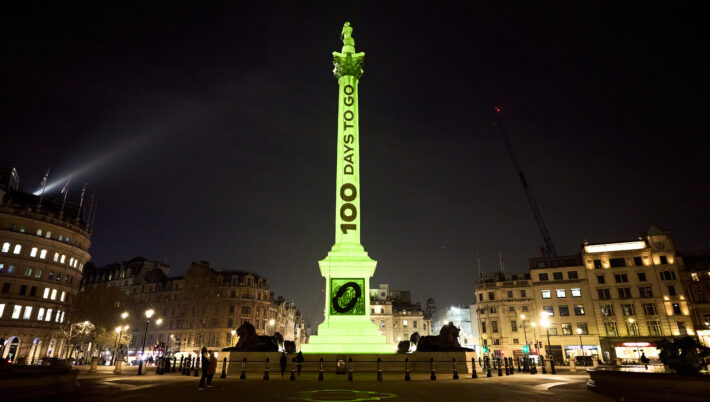 Scotland Men
100 Days until the Nations Championship kicks off
Thu 26 Mar 2026
Scotland Men
100 Days until the Nations Championship kicks off
Thu 26 Mar 2026
 Scotland Men
Steyn nominated for Player of the Championship
Fri 20 Mar 2026
Scotland Men
Steyn nominated for Player of the Championship
Fri 20 Mar 2026
 Scotland Men
The Top Six Moments of the 2026 Guinness Men’s Six Nations
Wed 18 Mar 2026
Scotland Men
The Top Six Moments of the 2026 Guinness Men’s Six Nations
Wed 18 Mar 2026
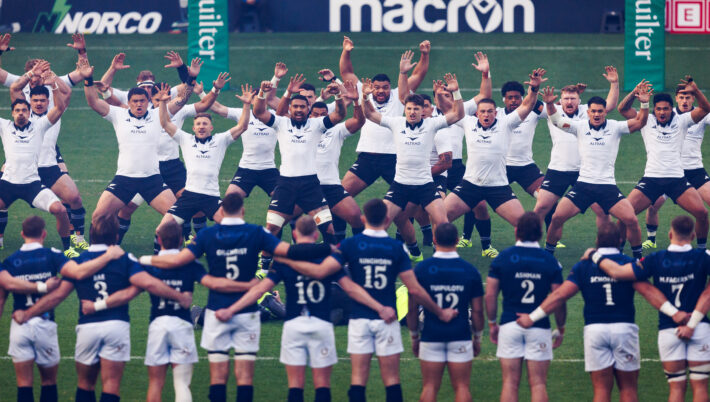 Scotland Men
What’s up next for Scotland Men
Wed 18 Mar 2026
Scotland Men
What’s up next for Scotland Men
Wed 18 Mar 2026
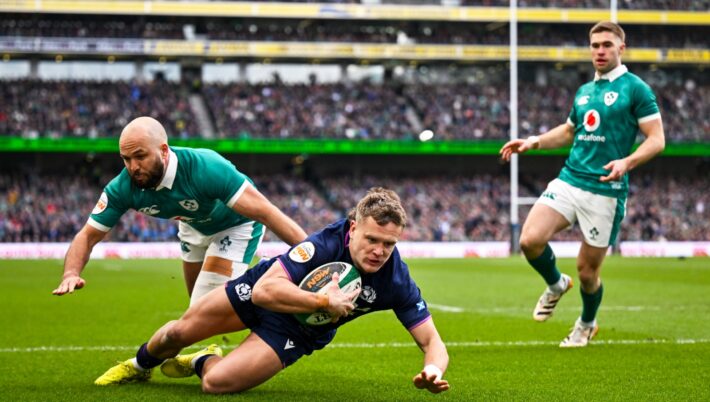 Scotland Men
Match Report: Ireland 43-21 Scotland
Sat 14 Mar 2026
Scotland Men
Match Report: Ireland 43-21 Scotland
Sat 14 Mar 2026
 Scotland Men
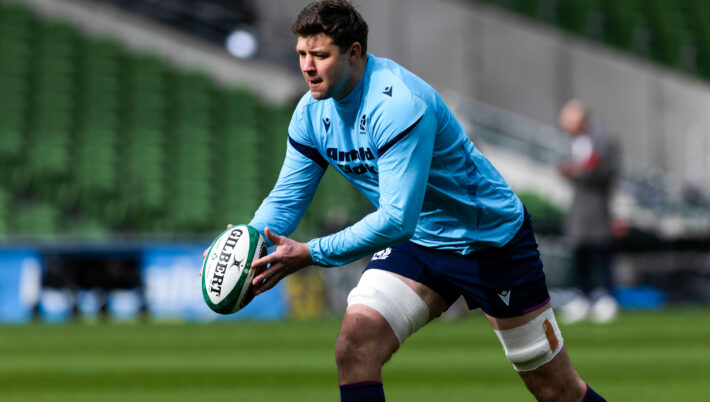
Ireland v Scotland Preview
Fri 13 Mar 2026
Scotland Men
Ireland v Scotland Preview
Fri 13 Mar 2026
 Scotland Men
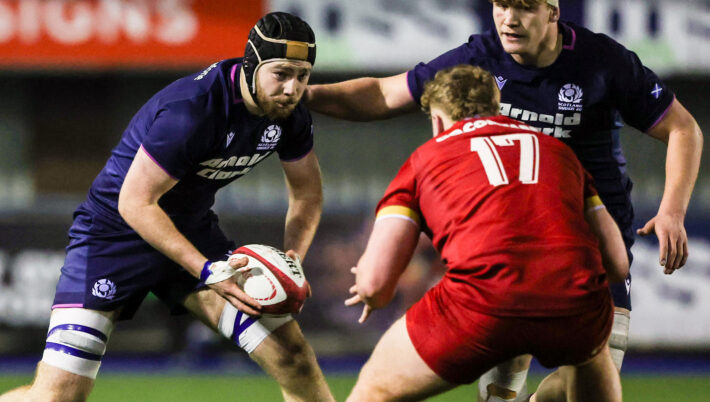
Three changes for Scotland U20 Six Nations finale
Fri 13 Mar 2026
Scotland Men
Three changes for Scotland U20 Six Nations finale
Fri 13 Mar 2026
 Scotland Men
Super Saturday: Final Day Permutations
Fri 13 Mar 2026
Scotland Men
Super Saturday: Final Day Permutations
Fri 13 Mar 2026
 Scotland Men
Scotland name team for Guinness Men’s Six Nations finale
Thu 12 Mar 2026
Scotland Men
Scotland name team for Guinness Men’s Six Nations finale
Thu 12 Mar 2026
 Scotland Men
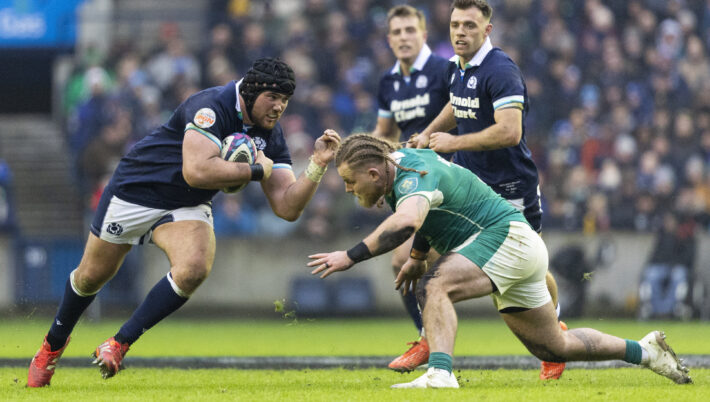
Scotland vs Ireland: Head-to-Head Rugby Statistics (2016–2025)
Wed 11 Mar 2026
Scotland Men
Scotland vs Ireland: Head-to-Head Rugby Statistics (2016–2025)
Wed 11 Mar 2026
 Scotland Men
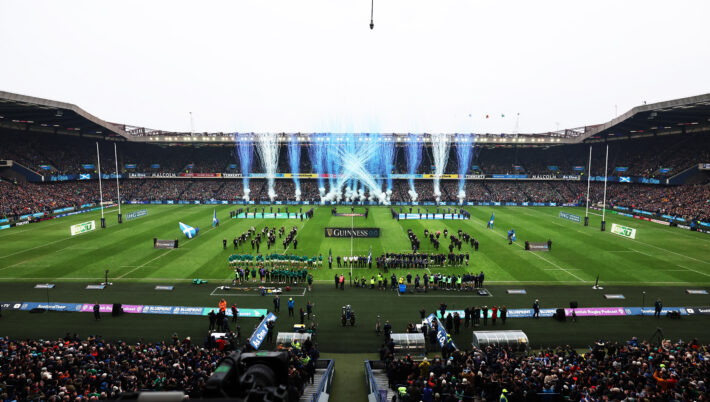
How to follow Scotland v Ireland this Super Saturday and Sunday
Wed 11 Mar 2026
Scotland Men
How to follow Scotland v Ireland this Super Saturday and Sunday
Wed 11 Mar 2026
 Scotland Men
Match details confirmed for the Nations Championship ‘November Series’
Wed 11 Mar 2026
Scotland Men
Match details confirmed for the Nations Championship ‘November Series’
Wed 11 Mar 2026
 Scotland Men
Where to Watch the Six Nations Finale in Style
Tue 10 Mar 2026
Scotland Men
Where to Watch the Six Nations Finale in Style
Tue 10 Mar 2026
 Scotland Men
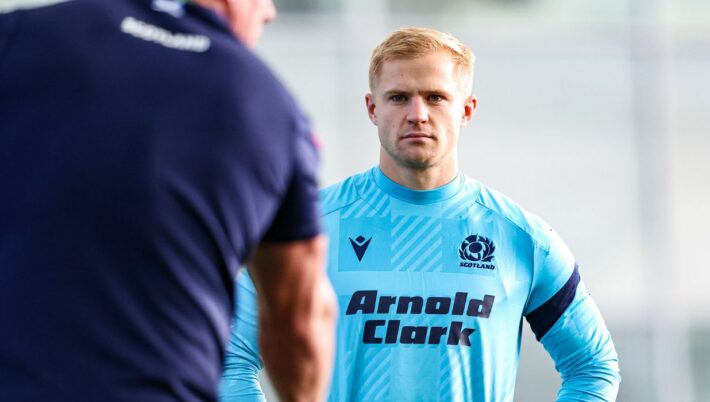
Scotland squad update ahead of final weekend
Mon 9 Mar 2026
Scotland Men
Scotland squad update ahead of final weekend
Mon 9 Mar 2026
 Scotland Men
Scotland’s 2027 Guinness Men’s Six Nations Fixtures Confirmed
Mon 9 Mar 2026
Scotland Men
Scotland’s 2027 Guinness Men’s Six Nations Fixtures Confirmed
Mon 9 Mar 2026
 Scotland Men
Match Report: Scotland 50-40 France
Sat 7 Mar 2026
Scotland Men
Match Report: Scotland 50-40 France
Sat 7 Mar 2026
 Scotland Men
Scotland shuffle pack for French test
Thu 5 Mar 2026
Scotland Men
Scotland shuffle pack for French test
Thu 5 Mar 2026
 Scotland Men
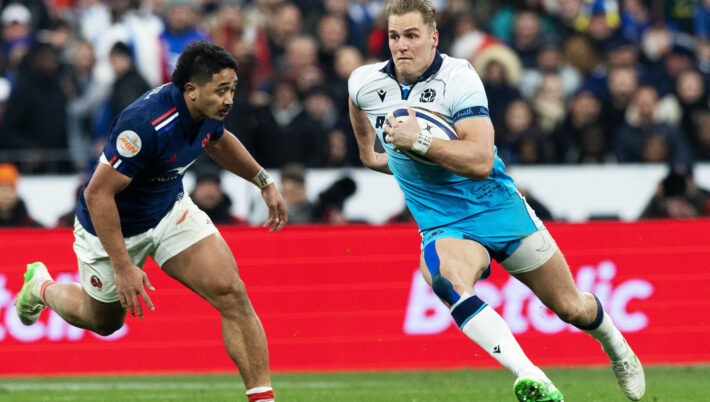
Scotland vs France: Head-to-Head Rugby Statistics (2016–2025)
Thu 5 Mar 2026
Scotland Men
Scotland vs France: Head-to-Head Rugby Statistics (2016–2025)
Thu 5 Mar 2026
 Scotland Men
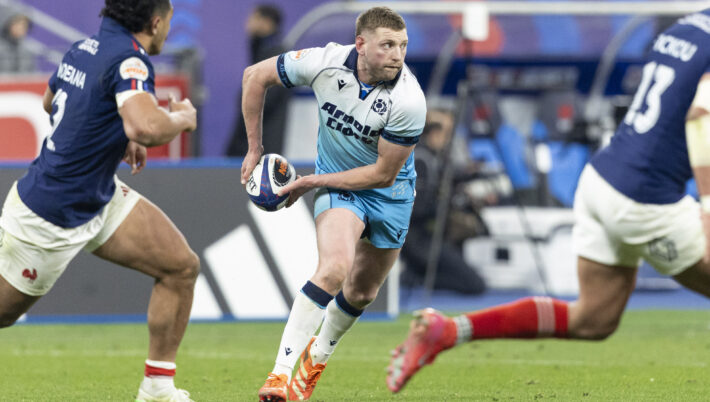
How to follow Scotland v France this weekend
Tue 3 Mar 2026
Scotland Men
How to follow Scotland v France this weekend
Tue 3 Mar 2026