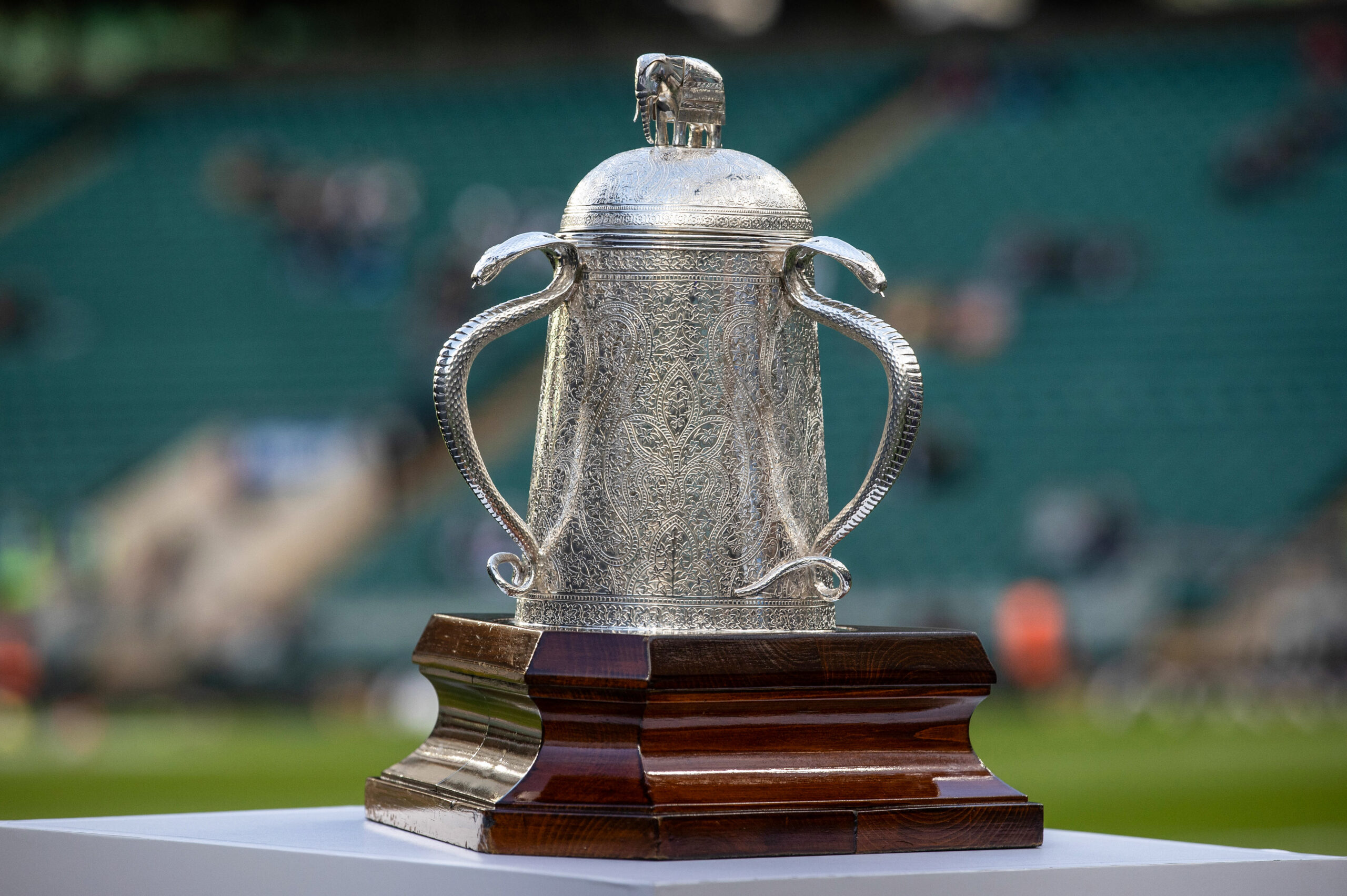
 LONDON, ENGLAND - FEBRUARY 22: The Calcutta Cup is pictured before a Guinness Six Nations match between England and Scotland at Allianz Stadium, Twickenham, on February 22, 2025, in London, England. (Photo by Craig Williamson / SNS Group)
The Origins of the Trophy
The story of the cup begins in India with the Calcutta Rugby Football Club, which was established in 1872 by British expatriates and soldiers, many of whom served with the Royal East Kent Regiment. As the local military presence changed and interest in the club began to wane, the members decided to disband in 1878. Rather than simply closing their doors, they chose to create a lasting memorial to their club’s existence.
The club members withdrew the remaining 270 silver rupees from their bank account and had them melted down. They commissioned a local Indian silversmith to craft a trophy from the precious metal, resulting in the distinctive design that remains a marvel of Victorian craftsmanship. The cup features three king cobras that form the handles and a majestic Indian war elephant perched atop the domed lid, symbolising the origins of the prize and the strength required to win it.
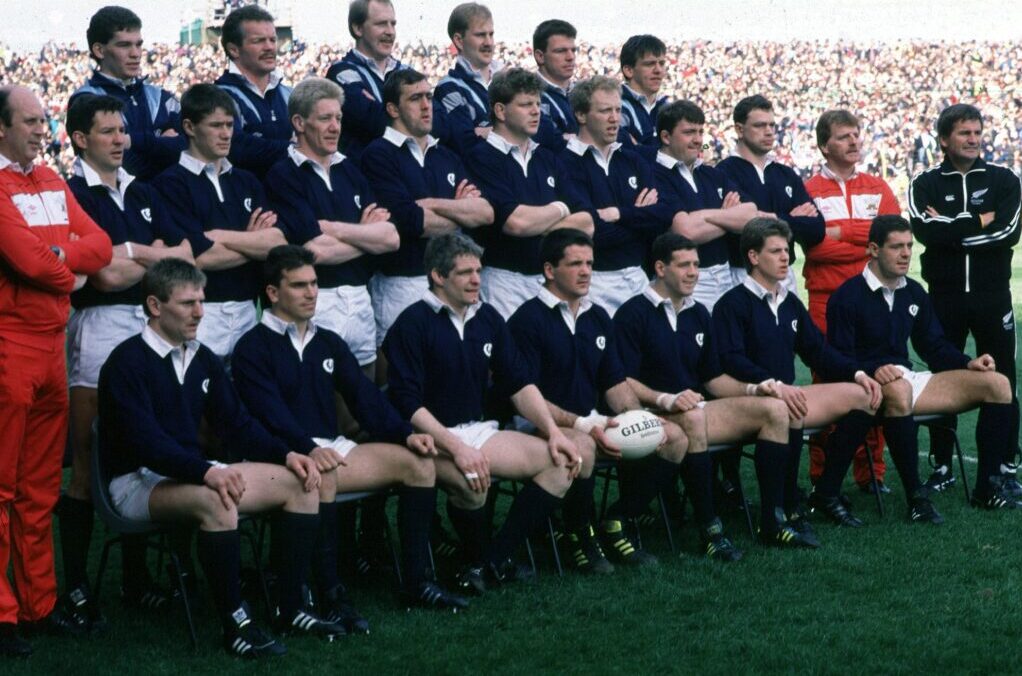
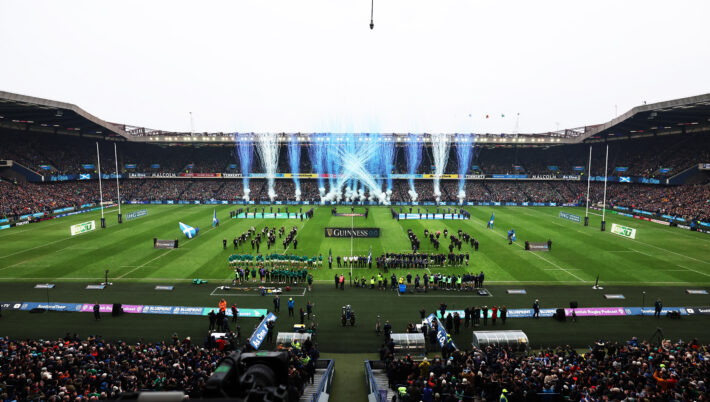
The Scotland team line up before going on to defeat England to win the Grand Slam in 1990.
A Legacy of Competition
The trophy was gifted to the Rugby Football Union in England with the request that it be contested annually. The first official Calcutta Cup match took place in 1879 and ended in a draw, meaning the trophy wasn’t presented to a winner until the following year when England triumphed in Manchester. Aside from the interruptions caused by the two World Wars, the match has been a cornerstone of the rugby calendar ever since.
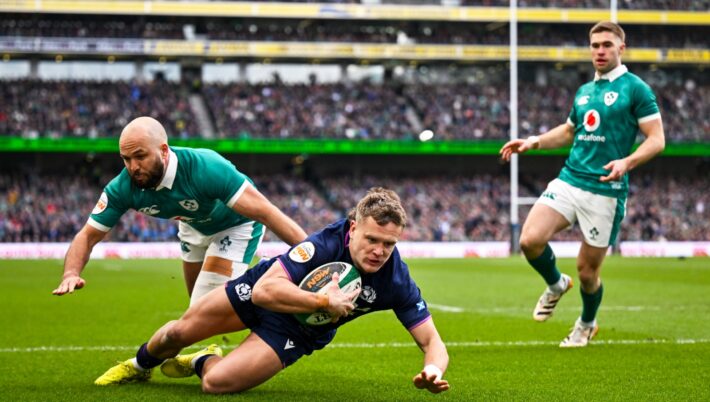
The Calcutta Cup is a contest defined by legendary moments, such as the 1990 Grand Slam decider at Murrayfield where Scotland triumphed in what many still regard as one of its greatest victories. In recent years, the momentum has shifted significantly back toward the North. Following a period of English dominance, Scotland has enjoyed a run of form, including a dramatic 31-point comeback draw in 2019 and several consecutive victories that have kept the trophy on Scottish soil.

EDINBURGH, SCOTLAND – FEBRUARY 24: Scotland’s Finn Russell and Rory Darge lift the Calcutta Cup during a Guinness Six Nations match between Scotland and England at Scottish Gas Murrayfield Stadium, on February 24, 2024, in Edinburgh, Scotland. (Photo by Ross MacDonald / SNS Group)
The Next Chapter
The latest installment of this historic battle is fast approaching as the two nations prepare to meet once again in the second round of the Guinness Men’s Six Nations. The weight of over 140 years of history will be on the line when the whistle blows this weekend.
Scotland will host England at Scottish Gas Murrayfield on Saturday 14 February. The match is scheduled for a 4:40pm kick-off and will be broadcast live on ITV.