The Breakdown – The Front Row: Rugby’s Foundation
3 Feb 2026Over the 2026 Guinness Men’s Six Nations, we are sharing a guide to each positional group in one of the most confusing games in the world.


Over the 2026 Guinness Men’s Six Nations, we are sharing a guide to each positional group in one of the most confusing games in the world.
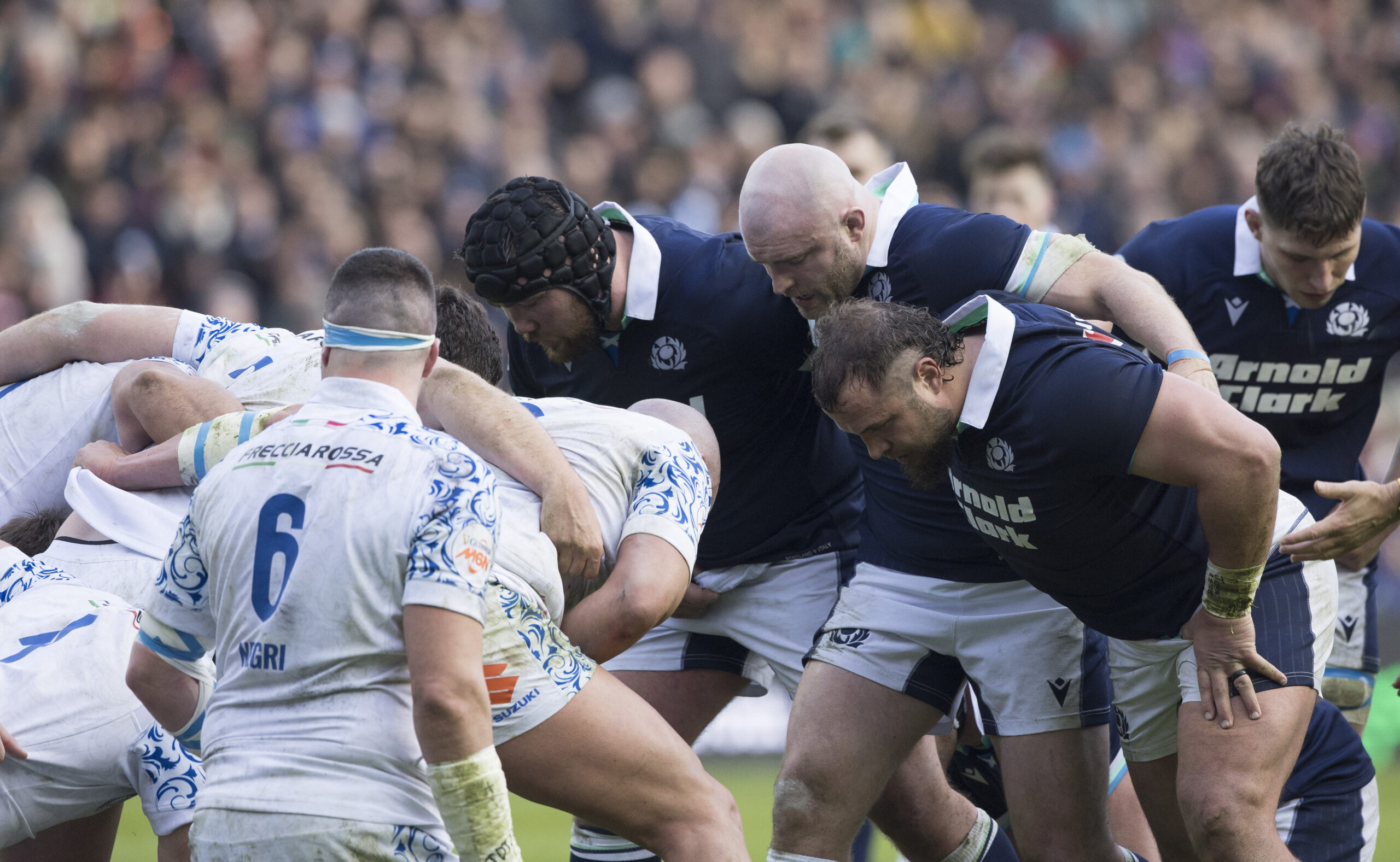 EDINBURGH, SCOTLAND - FEBRUARY 01: Scotland's Zander Fagerson, Dave Cherry and Pierre Schoeman in action during a Guinness Six Nations match between Scotland and Italy at Scottish Gas Murrayfield, on February 01, 2025, in Edinburgh, Scotland. (Photo by Craig Williamson / SNS Group)
 If you’ve ever watched rugby and had no clue who the 16 players are that come together in a giant huddle, or why someone is throwing a ball into a line of jumping giants, then this is for you.
This miniseries will breakdown the roles and responsibilities of each positional group in rugby and give you an insight into the men pulling on the Scotland jersey.
What is the Front Row?
In the high-speed world of international rugby, the front row carries the heaviest physical load. This group consists of three players: two props and one hooker. They are the first line of the scrum – the mass formation of each team’s eight biggest players to restart the game after a penalty or knock-on – and they are the foundation of the entire team. Without them, the faster players further back wouldn’t have the ball to play with.
The tactical make-up of the front row is built on a division of labour. On the left, the loosehead prop, wearing number 1, acts as the primary aggressor in the scrum, hitting hard and pressuring the opposition.
In the centre, the Hooker, wearing 2, coordinates the scrummage unit, kicking, or “hooking”, the ball back to their team. When the ball goes out of bounds, they are the ones who throw it back in at the lineout.
On the right sits the tighthead prop, No. 3, the anchor. The tighthead must absorb the combined force of the opposing pack, standing firm and driving his side forward.
In the modern game, these players aren’t just there for the heavy lifting. They have to be fit enough to run for miles, smart enough to steal the ball, and strong enough to crash through defenders to score tries.
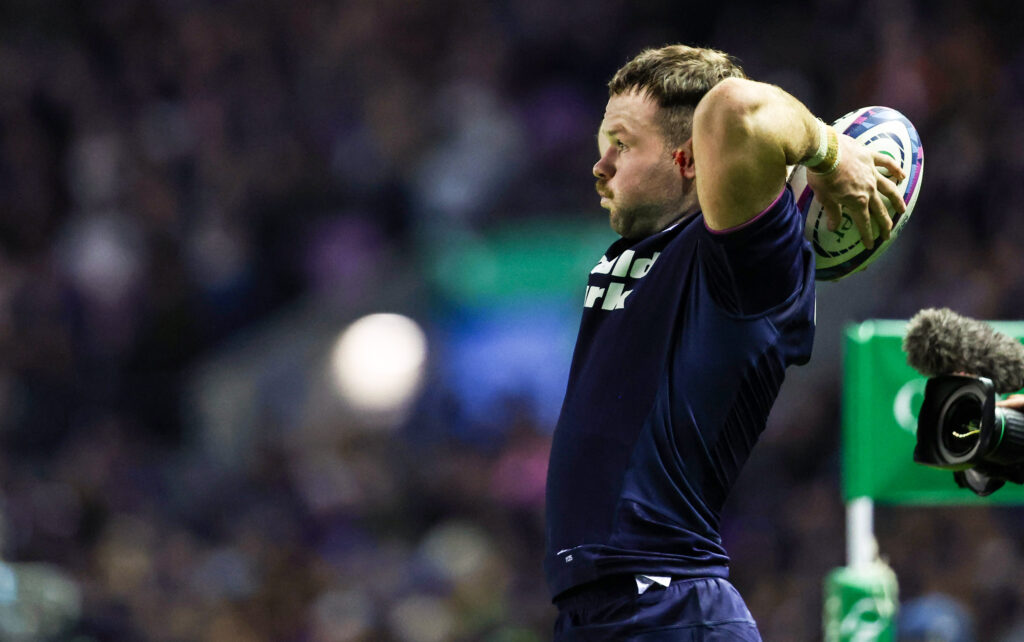
EDINBURGH, SCOTLAND – NOVEMBER 16: Scotland’s Ewan Ashman in action during a Quilter Nations Series match between Scotland and Argentina at Scottish Gas Murrayfield, on November 16, 2025, in Edinburgh, Scotland. (Photo by Ross Parker / SNS Group)
The Scottish Contingent
Scotland enters this Championship with a front-row cohort that blends experience with young talent.
The battle for the hooker jersey is intense. Ewan Ashman, now Scotland Men’s top try-scoring forward is vying for the Number 2 jersey whilst being pressured by the veteran presence of George Turner, who reached the historic 50-cap milestone during the recent Quilter Nations Series in the Autumn. They are joined by Dave Cherry, who returns to the squad after a standout season for Vannes in France, and recent addition Gregor Hiddleston.
The depth across the rest of the front row provides Scotland’s Head Coach, Gregor Townsend, with plenty of difficult matchday decisions. On the loosehead side, fan-favourite Pierre Schoeman is joined by the powerful Rory Sutherland and Nathan McBeth, offering a variety of threats.
On the tighthead side, the vastly experienced British & Irish Lion select, Zander Fagerson, provides the technical anchor, with the Elliot Millar Mills and D’arcy Rae joining the Number 3 contingent.
Scotland will need the entire team of front rows to be on top form for the Guinness Men’s Six Nations as they get set to face the most powerful talent in the Northern Hemisphere.
Stay tuned as we look at the Second Row next on The Breakdown.
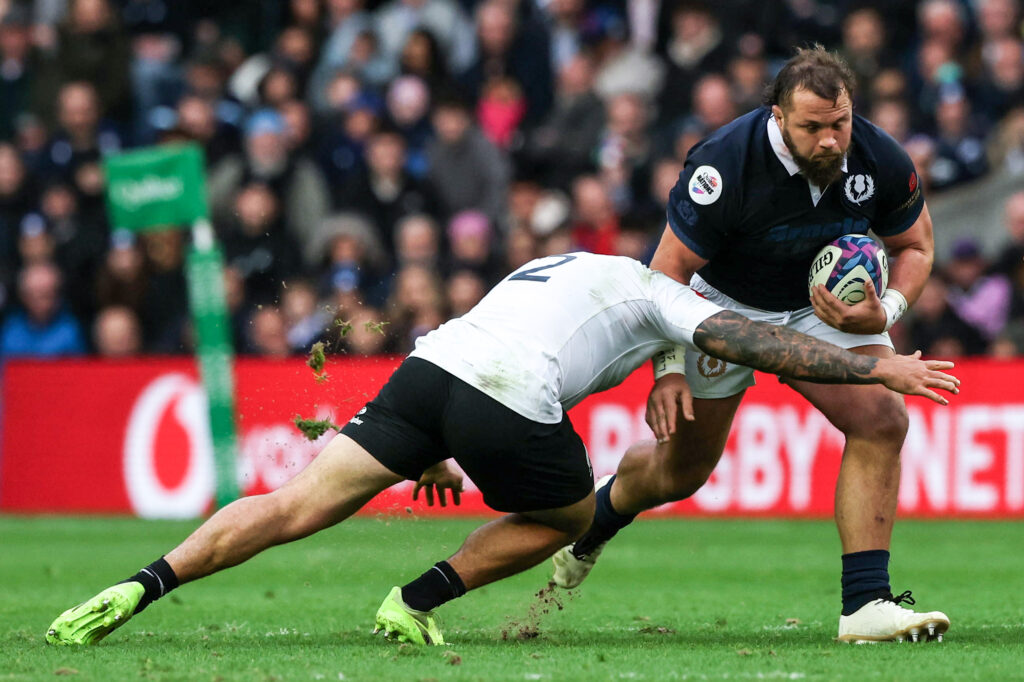
EDINBURGH, SCOTLAND – NOVEMBER 08: Scotland’s Pierre Schoeman in action during a Quilter Nations Series match between Scotland and New Zealand at the Scottish Gas Murrayfield Stadium, on November 08, 2025, in Edinburgh, Scotland. (Photo by Craig Williamson / SNS Group)
The Scotland Front-Row (caps in brackets):
 Scotland Men
Archie Goodburn to deliver match ball at Scotland v Australia
Wed 21 Oct 2026
Scotland Men
Archie Goodburn to deliver match ball at Scotland v Australia
Wed 21 Oct 2026
 Scotland Men
Josh Kerr to deliver match ball at Scotland v New Zealand
Fri 16 Oct 2026
Scotland Men
Josh Kerr to deliver match ball at Scotland v New Zealand
Fri 16 Oct 2026
 Scotland Men
Exclusive first look: New Archive Collection revealed
Thu 8 Oct 2026
Scotland Men
Exclusive first look: New Archive Collection revealed
Thu 8 Oct 2026
 Scotland Men
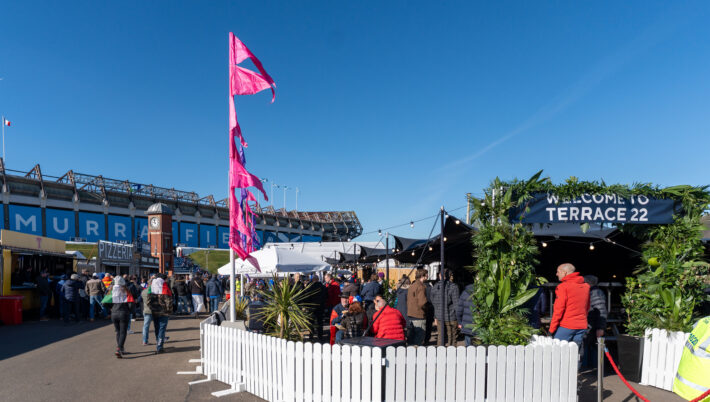
Terrace 22: A New Way to Experience Matchday at Scottish Gas Murrayfield
Wed 7 Oct 2026
Scotland Men
Terrace 22: A New Way to Experience Matchday at Scottish Gas Murrayfield
Wed 7 Oct 2026
 Scotland Men
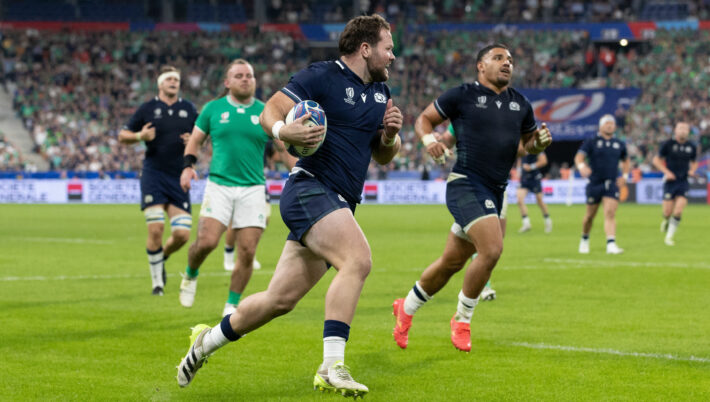
One year to go: The Rugby World Cup 2027
Thu 1 Oct 2026
Scotland Men
One year to go: The Rugby World Cup 2027
Thu 1 Oct 2026
 Scotland Men
Nations Championship Hemisphere Shield Unveiled
Tue 29 Sep 2026
Scotland Men
Nations Championship Hemisphere Shield Unveiled
Tue 29 Sep 2026
 Scotland Men
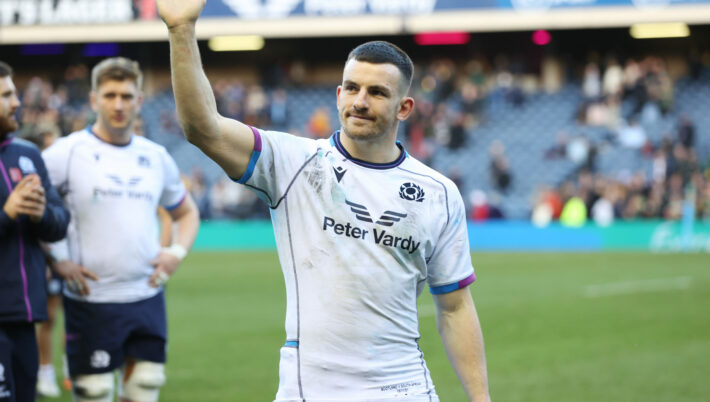
Marathon Matt set for new sporting challenge
Wed 23 Sep 2026
Scotland Men
Marathon Matt set for new sporting challenge
Wed 23 Sep 2026
 Scotland Men
Scotland v New Zealand Sold Out: VIP & Hospitality Packages Still Available
Thu 10 Sep 2026
Scotland Men
Scotland v New Zealand Sold Out: VIP & Hospitality Packages Still Available
Thu 10 Sep 2026
 Scotland Men
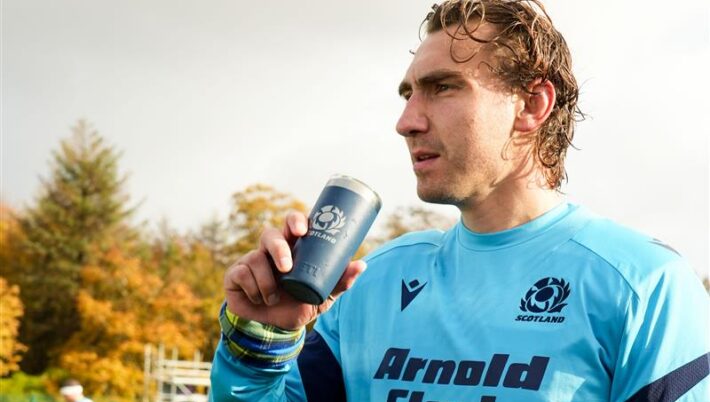
Scottish Rugby x YETI products now available to buy online
Tue 18 Aug 2026
Scotland Men
Scottish Rugby x YETI products now available to buy online
Tue 18 Aug 2026
 Scotland Men
By the Numbers: Scotland’s Nations Championship Southern Series
Tue 28 Jul 2026
Scotland Men
By the Numbers: Scotland’s Nations Championship Southern Series
Tue 28 Jul 2026
 Scotland Men
How the 2026/27 away kit was built on stone and ice
Wed 22 Jul 2026
Scotland Men
How the 2026/27 away kit was built on stone and ice
Wed 22 Jul 2026
 Scotland Women
Scottish Rugby and Macron launch Away Kit
Wed 22 Jul 2026
Scotland Women
Scottish Rugby and Macron launch Away Kit
Wed 22 Jul 2026
 Scotland Men
Roundup: The Nations Championship Southern Series
Tue 21 Jul 2026
Scotland Men
Roundup: The Nations Championship Southern Series
Tue 21 Jul 2026
 Scotland Men
Match Report: Fiji 17-33 Scotland
Sat 18 Jul 2026
Scotland Men
Match Report: Fiji 17-33 Scotland
Sat 18 Jul 2026
 Scotland Men
Scotland team pay tribute to Scott Hastings
Fri 17 Jul 2026
Scotland Men
Scotland team pay tribute to Scott Hastings
Fri 17 Jul 2026
 Scotland Men
Fiji and Scotland to celebrate record-breaking matchday
Fri 17 Jul 2026
Scotland Men
Fiji and Scotland to celebrate record-breaking matchday
Fri 17 Jul 2026
 Scotland Men
McDowall to lead Scotland against Fiji
Thu 16 Jul 2026
Scotland Men
McDowall to lead Scotland against Fiji
Thu 16 Jul 2026
 Scotland Men
Fiji vs Scotland: Food and Drink Guide
Wed 15 Jul 2026
Scotland Men
Fiji vs Scotland: Food and Drink Guide
Wed 15 Jul 2026
 Scotland Men
Scouting the Flying Fijians: Senirusi Seruvakula’s Fiji Squad
Wed 15 Jul 2026
Scotland Men
Scouting the Flying Fijians: Senirusi Seruvakula’s Fiji Squad
Wed 15 Jul 2026
 Scotland Men
Match Preview: Fiji v Scotland
Wed 15 Jul 2026
Scotland Men
Match Preview: Fiji v Scotland
Wed 15 Jul 2026