Bio-banding pilot begins at U16 regional academy festival
2 Aug 2024This weekend’s regional academy fixtures will see the U16s split into two teams based on “modified bio-banding”, which looks at the physical maturation of players.


This weekend’s regional academy fixtures will see the U16s split into two teams based on “modified bio-banding”, which looks at the physical maturation of players.
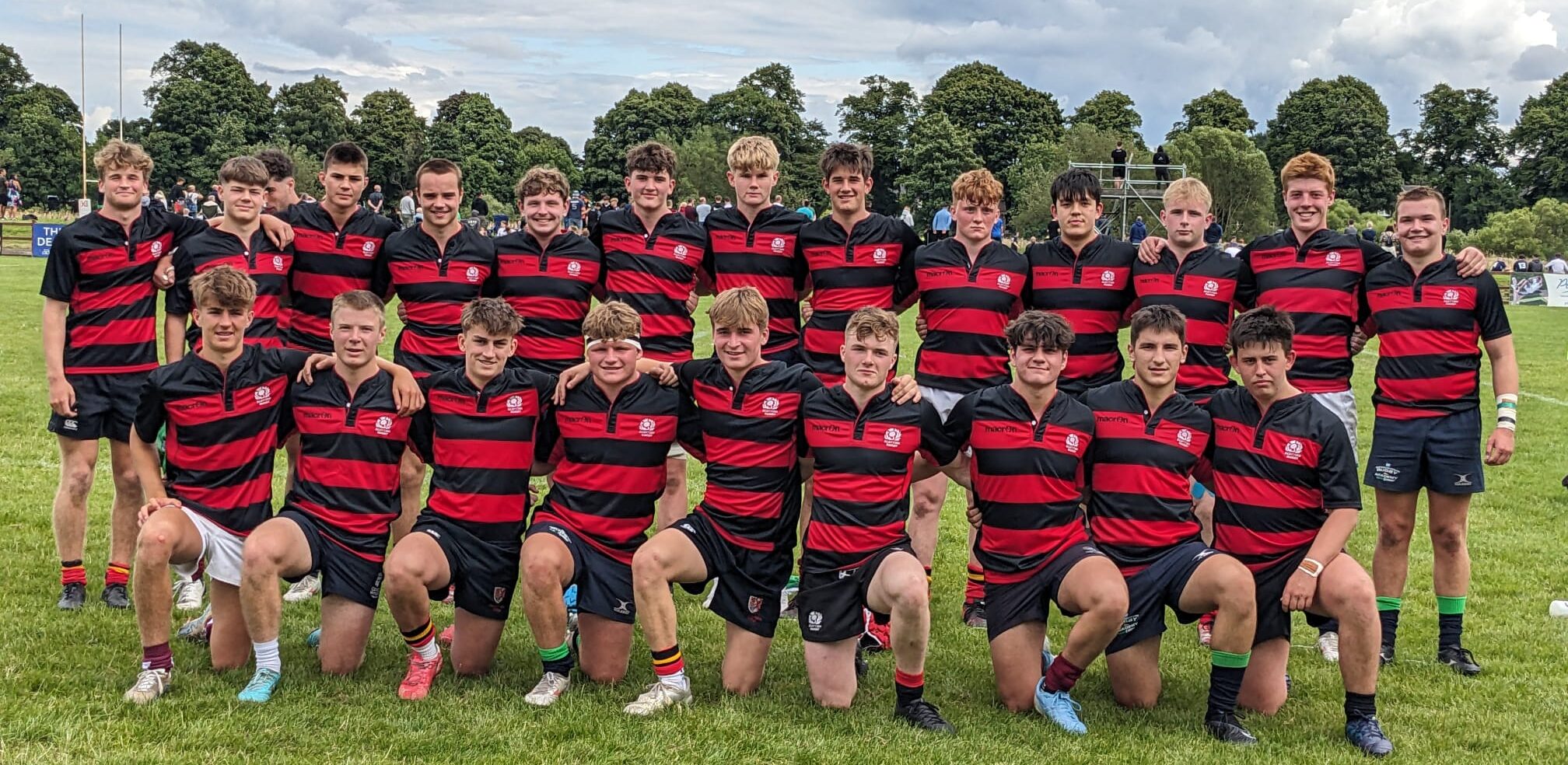
In a similar fashion to systems implemented in football by the likes of Manchester United, Arsenal and Southampton, an early pilot of bio-banding will see the use of physical maturation data to help group players into a less and more physically mature team within their regions, allowing coaches to see their players in a different set of parameters.
Athletic Development Manager Andy Boyd explained: “Physicality plays a huge part in rugby, however in youth sports we know this is heavily influenced by maturation status. Typically, what we’ve found is your average rugby team is made up of a combination of ‘early’ and ‘on-time’ maturers, with little to no signs of ‘late’ maturers.
“We’ve had a project running for the last few years, looking across the early age groups and our pre-pathway groups and have found that not only are ‘late’ maturers rare within the pathway, but also very rare even in the entry level nominations process. If you exclude ‘late’ maturers, you’re potentially missing out on a third of possible players. This is also the group that will have the highest rate of physical change, if given the support and opportunities.
“That is why it has been a focus, and an area we want to change and look to support further. It’s one area football has invested heavily in, pursuing talent identification and development – one of the best examples can be seen in Belgium’s well-publicised rise as one of the best teams in the world.”
Early work on the project saw maturation data such as a player’s age, current height and weight, alongside parents’ height gathered to determine what stage of their maturation they are currently in and an estimate of how tall they will be when they finish growing, a particularly important metric for positions like second row. This has resulted in the collection of over 1300 maturation profiles which has helped inform the support and programming of pathway players.
Scottish Rugby has now moved a step further, investing in two SonicBone BAUSport devices which use ultrasound to assess skeletal age and biological maturation state, and provide data for injury prevention and prediction of final adult height of youth athletes.
Work on the use of maturation data has been done alongside several university partners, pulling support and guidance from world leading experts such as Sean Cumming, from Bath university.
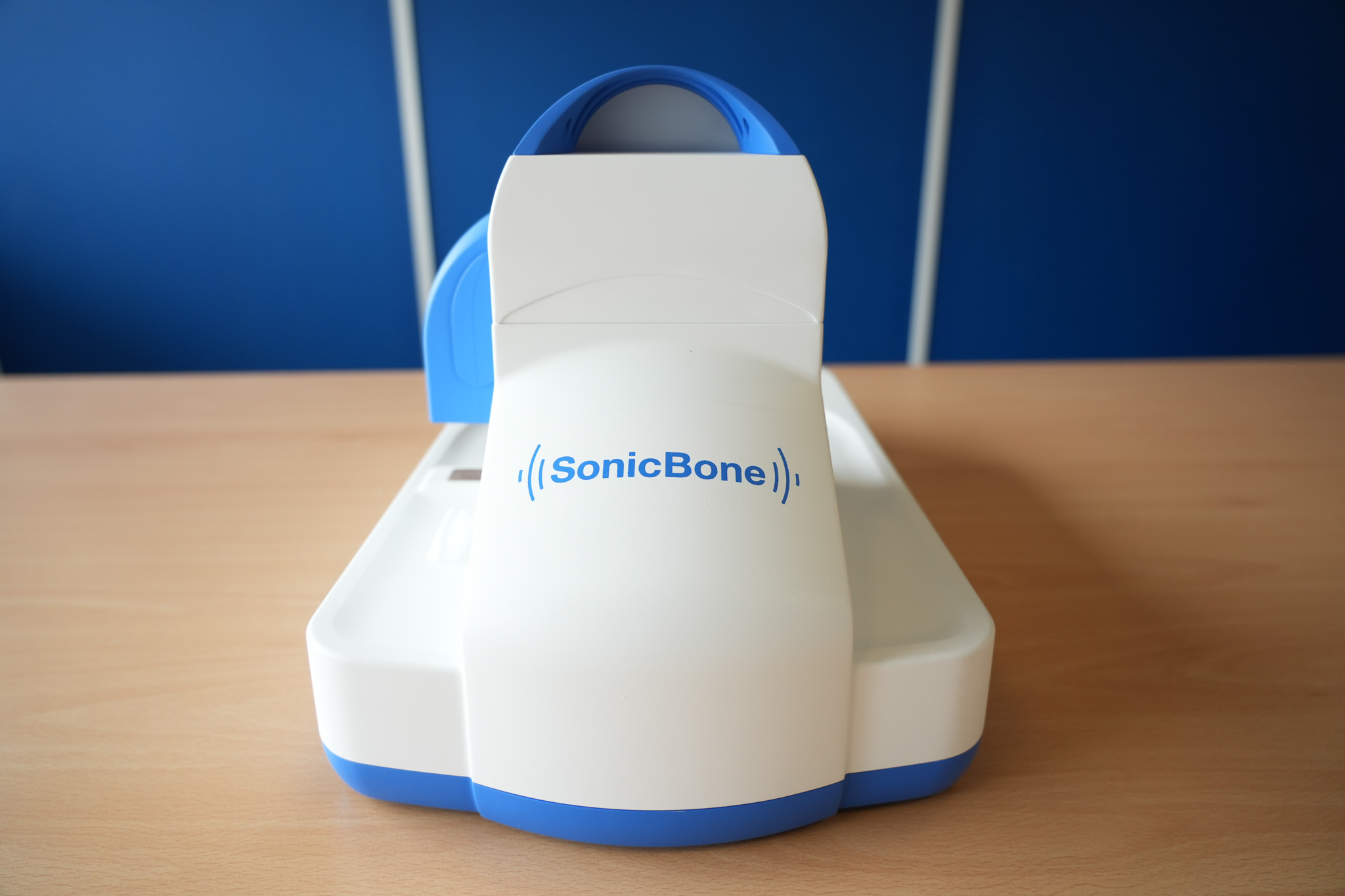
Scottish Rugby’s SonicBone BAUSport device
“The BAUSport systems will make this profiling process even quicker and more accessible to all our potential players,” Boyd continued. “It takes 5-10 minutes and immediately gives us feedback that can be used alongside the wider profiling to help better inform our coaching teams.
“Through building a strategy around the use of technology and collaboration with world leading experts, we hope to be the best-informed union on the developmental processes of our young players. In the short term, we hope to be able to use data to support player and coach discussions around increasing the opportunity for the players to reach the highest level of the sport.”
“There are plenty of examples of players who were told they wouldn’t make it because they were too small to compete at the time. Kevin de Bruyne is an example of a player who was a late developer, and the work Belgium did to think differently about how they developed players kept him challenged in the right ways, and I think that’s where we are.
“Scottish Rugby have an opportunity to do things differently from other top-tier nations to maximise our talent and to give players as many playing opportunities at the right stage for them as possible so they can fulfill their future potential.
“I believe we are the first rugby union to look at this area, and we hope this additional information around a player’s development will allow us to have better conversations. We must look at ways to continue to innovate and drive our processes. That can be through managing load during a period of rapid growth, or discussing positional changes, or even keeping a playing in the system for longer.”
Speaking on this weekend’s fixtures, Boyd added: “For this weekend’s U16 selection, using the player pool that we have, we’ve tried to use some of our maturation data to group players into a less mature and more mature team within their regions.
“When you look at talent in rugby, at times selection can focus too much on the present, and this can be heavily influenced by players’ current levels of size, strength and speed, all of which are heavily linked to maturation status. This can be at the deterrent to the later maturing athletes, who at that stage are less physically dominant.
“I hope this is the start of using Bio-banding to help us find those on-time and late developers who aren’t the players physically dominating the sport just now, but potentially have the ability if supported to come through and compete later. But it also works the other way, where the early maturers may be dominant for a while, they need to have other skills challenged to continue to excel, so we need to be challenging their footwork, offloading and evasion skills and reading of the game.”
 Cup & Competitions
Ollie Smith Looks Ahead to Scottish Rugby Match of the Week Between Marr Rugby and Ayr RFC
Thu 17 Sep 2026
Cup & Competitions
Ollie Smith Looks Ahead to Scottish Rugby Match of the Week Between Marr Rugby and Ayr RFC
Thu 17 Sep 2026
 Cup & Competitions
Competitions continue to gather pace as another weekend unfolds
Tue 15 Sep 2026
Cup & Competitions
Competitions continue to gather pace as another weekend unfolds
Tue 15 Sep 2026
 Cup & Competitions
Erskine Stewart Melville v Stirling County headlines this weekend’s action
Thu 10 Sep 2026
Cup & Competitions
Erskine Stewart Melville v Stirling County headlines this weekend’s action
Thu 10 Sep 2026
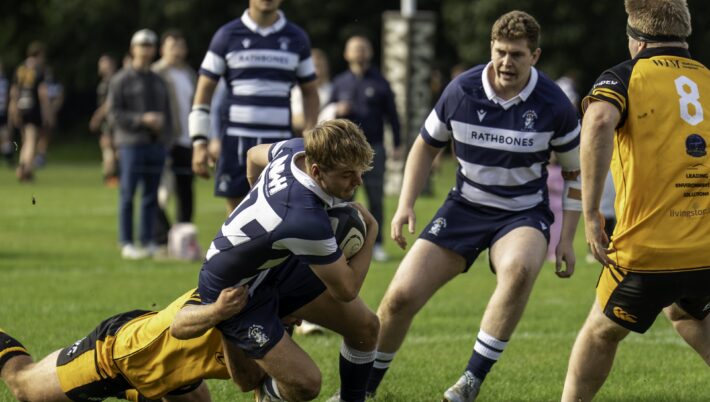 Cup & Competitions
Currie hold off Heriot’s in Edinburgh Derby as busy club rugby weekend unfolds
Tue 8 Sep 2026
Cup & Competitions
Currie hold off Heriot’s in Edinburgh Derby as busy club rugby weekend unfolds
Tue 8 Sep 2026
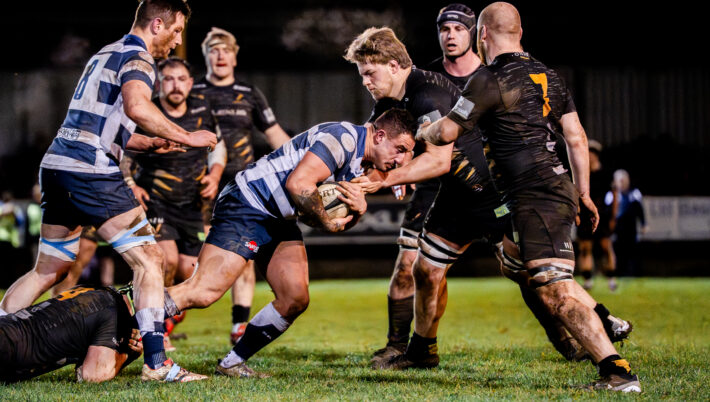 Cup & Competitions
Derby Day, Friday Night Lights and Premiership Action Await
Thu 3 Sep 2026
Cup & Competitions
Derby Day, Friday Night Lights and Premiership Action Await
Thu 3 Sep 2026
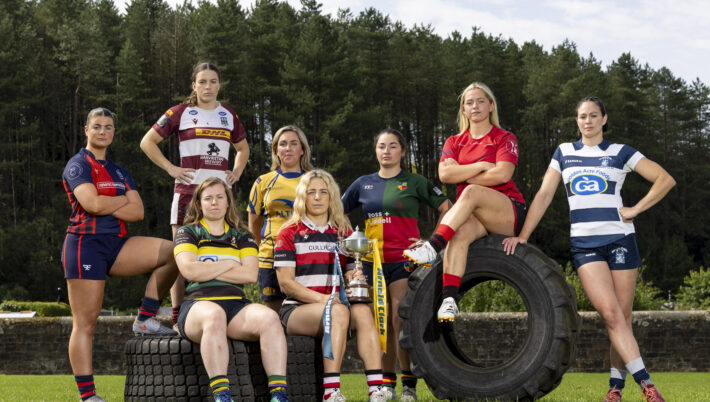 Cup & Competitions
All eyes on the opening weekend of the Arnold Clark Women’s Premiership
Tue 1 Sep 2026
Cup & Competitions
All eyes on the opening weekend of the Arnold Clark Women’s Premiership
Tue 1 Sep 2026
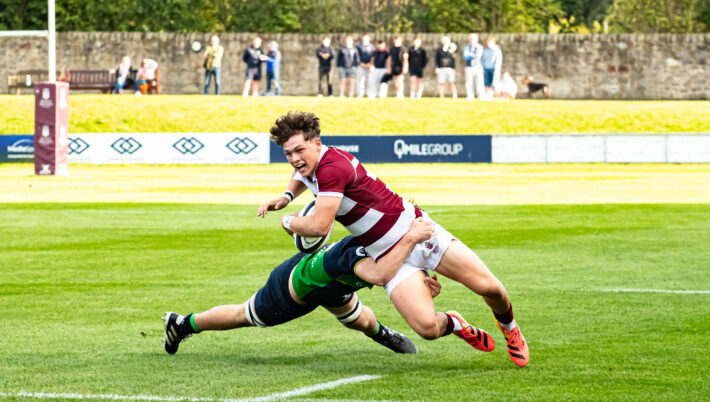 Cup & Competitions
Opening Weekend Delivers as 2026/27 Season Gets Underway
Mon 31 Aug 2026
Cup & Competitions
Opening Weekend Delivers as 2026/27 Season Gets Underway
Mon 31 Aug 2026
 Cup & Competitions
Boys’ U18 Open Competition Returns with Friday Night Match of the Week
Thu 27 Aug 2026
Cup & Competitions
Boys’ U18 Open Competition Returns with Friday Night Match of the Week
Thu 27 Aug 2026
 Cup & Competitions
All Set for Kick-Off as Arnold Clark Men’s Premiership Returns
Tue 25 Aug 2026
Cup & Competitions
All Set for Kick-Off as Arnold Clark Men’s Premiership Returns
Tue 25 Aug 2026
 Player Pathway
Aligned Schools, Youth and Pathway Calendar launched for upcoming season
Wed 10 Jun 2026
Player Pathway
Aligned Schools, Youth and Pathway Calendar launched for upcoming season
Wed 10 Jun 2026
 Cup & Competitions
Club rugby fixtures for season 2026-2027 announced
Fri 5 Jun 2026
Cup & Competitions
Club rugby fixtures for season 2026-2027 announced
Fri 5 Jun 2026
 Cup & Competitions
Report: Falkirk RFC 5-45 Gala RFC
Sat 9 May 2026
Cup & Competitions
Report: Falkirk RFC 5-45 Gala RFC
Sat 9 May 2026
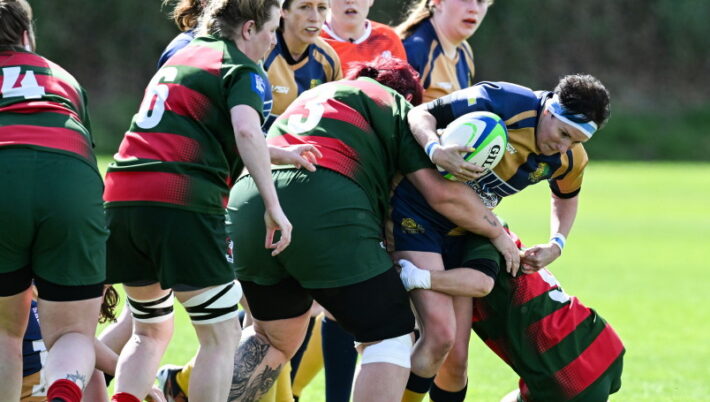 Cup & Competitions
Women’s National Bowl Final preview
Tue 5 May 2026
Cup & Competitions
Women’s National Bowl Final preview
Tue 5 May 2026
 Cup & Competitions
Silver Saturday preview
Fri 24 Apr 2026
Cup & Competitions
Silver Saturday preview
Fri 24 Apr 2026
 Cup & Competitions
Silver Saturday 2026 | Match reports
Fri 24 Apr 2026
Cup & Competitions
Silver Saturday 2026 | Match reports
Fri 24 Apr 2026
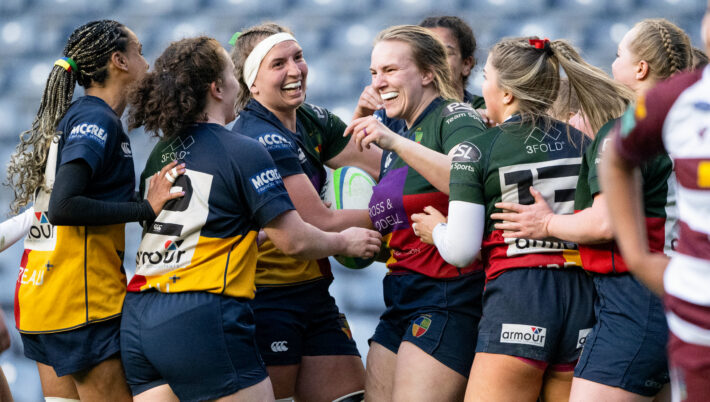 Cup & Competitions
Silver Saturday finalists confirmed
Mon 20 Apr 2026
Cup & Competitions
Silver Saturday finalists confirmed
Mon 20 Apr 2026
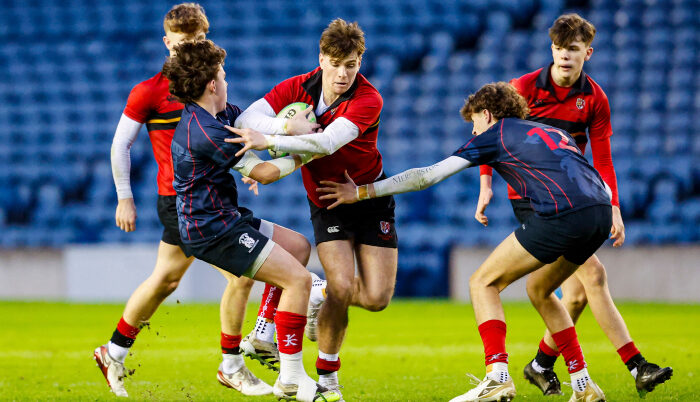 Cup & Competitions
Open Competition set for expansion in 2026/27 season
Fri 3 Apr 2026
Cup & Competitions
Open Competition set for expansion in 2026/27 season
Fri 3 Apr 2026
 Cup & Competitions
Scottish Cup Semi-Final Draws Announced
Tue 31 Mar 2026
Cup & Competitions
Scottish Cup Semi-Final Draws Announced
Tue 31 Mar 2026
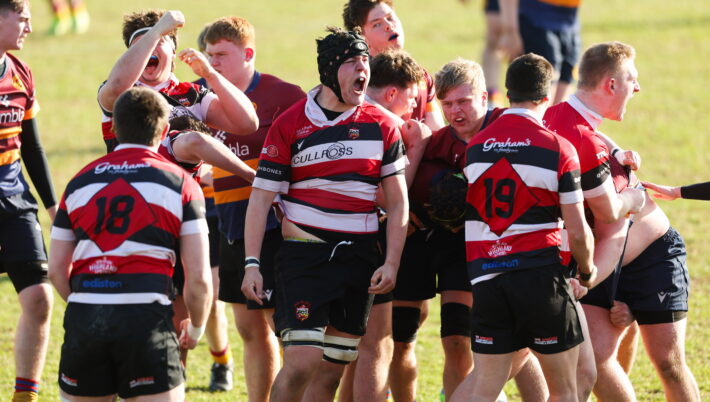 Cup & Competitions
Gallery | Saltire Energy Caledonia Youth Cup Finals
Mon 30 Mar 2026
Cup & Competitions
Gallery | Saltire Energy Caledonia Youth Cup Finals
Mon 30 Mar 2026
 Cup & Competitions
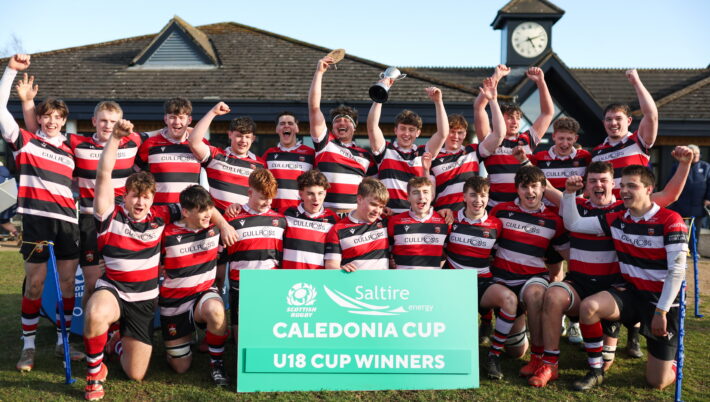
Saltire Energy Caledonia Youth Cup Finals results
Mon 30 Mar 2026
Cup & Competitions
Saltire Energy Caledonia Youth Cup Finals results
Mon 30 Mar 2026