Behind every new team, every first festival and every young person picking up a rugby ball for the first time, there is often someone helping make it happen.
Across Scotland, Scottish Rugby’s Development Officer network continues to play a vital role in growing the game, working alongside clubs, schools, volunteers, teachers and community partners to make rugby more accessible and create opportunities for people of all ages and abilities.
As always, a huge amount of effort and volume of activity goes in to developing young people. Between August 2025 and June 2026, the network delivered an incredible 35,576 rugby sessions, generating 854,763 attendances across 83 clubs and 772 schools.
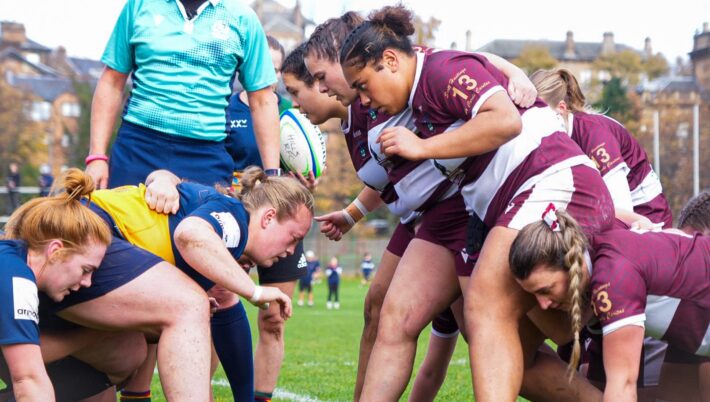
Importantly, this growth has been matched by a continued focus on creating welcoming and inclusive environments. Almost half of all sessions took place in mixed settings, while more than 4,300 girls-only sessions provided dedicated opportunities for girls to discover the game, develop their skills and build confidence.
But while the numbers tell an impressive story, it is the progress happening within individual clubs, schools and communities that really brings the season to life.
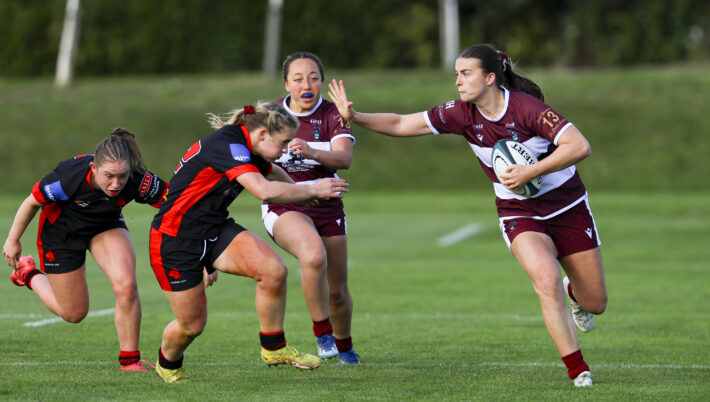
Across the country, Development Officers have been helping create opportunities where they didn’t previously exist, with girls’ rugby providing some of the most exciting examples of what can be achieved through sustained local support.
In the Borders, Selkirk RFC has enjoyed a remarkable transformation. Starting the season with no registered girls in its programme, the club initially set itself a target of 10 players. Through inclusive T1 rugby sessions led by Development Officer Eilidh McColm, that number has grown to 29 registered girls across S1-S3, with between 18 and 25 attending each week.
The progress has extended beyond the club itself. Selkirk hosted the first-ever Borders Girls T1 Festival, bringing together girls from Selkirk, Gala and Jedburgh. By the second festival in May, the event had grown to include five areas and even more participants, demonstrating the growing appetite for girls’ rugby across the region.
Further north, Orkney has also enjoyed a landmark season. Through girls-only transition events and targeted work in schools, the club has welcomed more girls into rugby than ever before. A total of 128 girls-only community sessions helped attract 31 new active players and five female coaches.
The section also travelled off-island for 16 fixtures and festivals, while the U16 girls reached the Caledonia Youth Cup Bowl Final in their first year together as a squad. With plans for a full girls’ pathway taking shape, including U18 players moving into the adult game in 2026-27, Orkney is demonstrating the difference that consistent investment and support can make.
These stories are part of a wider picture of clubs and schools building stronger foundations for the future, ensuring that young people have opportunities not only to start playing rugby, but to continue their journey through the game.
In Moray, close collaboration between Moray RFC, its Development Officer, School of Rugby Community Coach, school leaders and local sporting partners has transformed the rugby offering at Forres and Elgin Academies.
The programme has developed six full AGLV teams across the boys’ U14 and U16 and girls’ U16 age groups, introduced 56 new active players, delivered more than 400 secondary school sessions and provided 43 competitive fixtures.
The progress will continue into next season, with both academies set to join a Caledonia-wide midweek State School League in 2026-27. They are also developing their own pitches to provide facilities for home fixtures, creating an even stronger foundation for school rugby in the area.
A similar commitment to rebuilding and strengthening pathways has been evident at The Royal High School in Edinburgh, where Development Officer Andy Kelly has helped establish a thriving programme across multiple age groups.
During the season, an impressive 735 sessions and 13,364 participant attendances were recorded. For the first time in several years, the school now fields boys’ teams across every age group from U13 to U18, with 95 active players. The girls’ programme has also flourished, recording more than 2,400 attendances and establishing an U14 section with over 30 players.
Crucially, links with Royal High RFC and Murrayfield Wanderers are helping provide senior pupils with a clear route into adult rugby, ensuring that the opportunities created at school can continue long after pupils leave the classroom.
Of course, growing the game is about much more than the number of players on the pitch. Behind every successful programme is a network of coaches, volunteers and parents giving their time to make rugby happen.
At Bishopton RFC, a fresh approach to volunteer recruitment has shown how Development Officers can help clubs tackle one of the biggest challenges that comes with growing sections: finding enough coaches to support their players.
Recognising that many willing volunteers couldn’t commit to running a team every week, the club’s Development Officer introduced a Developing Coaches Group, offering a more flexible, sessional approach to getting involved.
The initiative has already made a real difference, with eight new coaches gaining formal qualifications, five of whom are women. Volunteers who previously felt unable to take on a regular coaching commitment have found a way to contribute, helping create more opportunities for players while making sessions more engaging through smaller group ratios.
It’s a brilliant example of how thinking differently about volunteering can benefit an entire club, while also developing the next generation of coaches and leaders.
That commitment to developing people extends across the wider network. During 2025-26, Development Officers delivered 306 in-club CPD and coach education sessions, attracting more than 4,800 attendances. A further 267 Activators candidates received training, while 32 workshops delivered on behalf of Scottish Rugby reached almost 700 candidates.
A shared commitment to growing the game
The achievements of the season reflect a significant collective effort, supported by Scottish Rugby, clubs and external partners working together to invest in the future of community rugby.
The 2025-26 cohort comprises 104 people. Together, they support 83 clubs, 581 primary schools and 191 secondary schools across Scotland’s six regions.
Investment in the programme reached £2.7 million this season, an increase of 37% since 2018-19. Clubs contributed £1.19 million, alongside Scottish Rugby’s £1.122 million commitment, underlining the shared belief in the importance of development work and the role it plays in creating sustainable rugby communities.
And the impact stretches far beyond the headline figures and featured stories.
The numbers from last season are something to be proud of. But the real measure of success is what they represent: more young people playing rugby, more girls finding their place in the game, stronger clubs, more confident coaches and communities with a brighter future.
As we look to the future, the ambition remains the same: to keep building on that progress and ensure that, wherever you are in Scotland, there is an opportunity to get involved in rugby.
And behind every one of those opportunities, there will be people helping make it happen