Rugby tackle height change boosting player safety, study shows
8 Apr 2025Lowering the tackle height in community men’s rugby in Scotland has successfully reduced the rate of head collisions among players, a study suggests.


Lowering the tackle height in community men’s rugby in Scotland has successfully reduced the rate of head collisions among players, a study suggests.
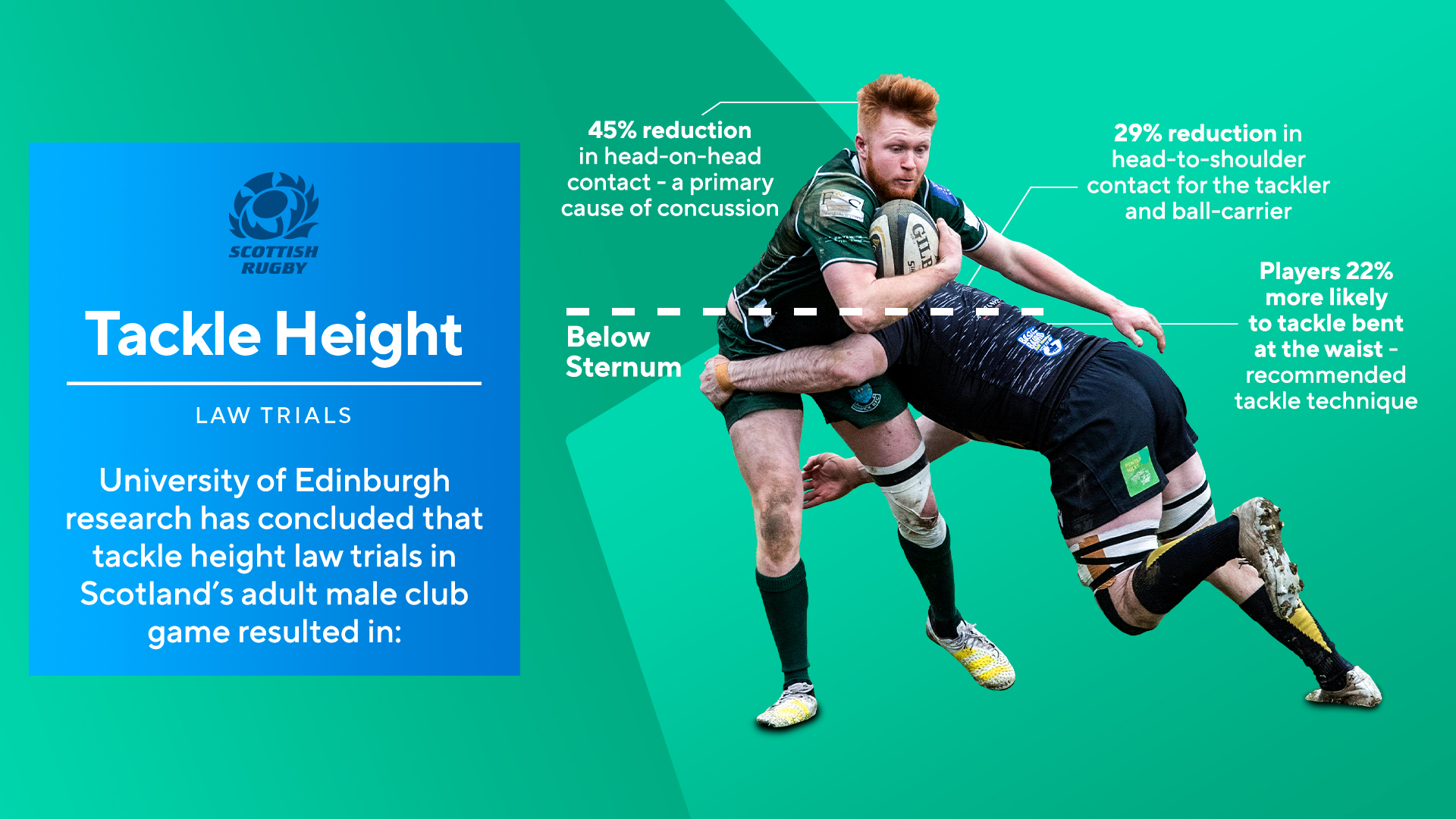
Recent changes to the tackle height law for community rugby players in Scotland was linked with a 45 per cent reduction in head-on-head contact – one of the primary causes of sports related concussion, experts say.
A trial during the 2023/24 season found players were 22 per cent more likely to tackle bent at the waist, the recommended technique to reduce player head proximity and contact.
Researchers who led the study of data collected say the behaviour change resulted in fewer head-to-head and head-to-shoulder contacts between tacklers and ball-carriers.
This is the first of three research studies undertaken by the University of Edinburgh and commissioned by Scottish Rugby to evaluate the lowered tackle height, with the impact in the women’s and youth community game also being evaluated.
The study of men’s community rugby in Scotland is the first peer reviewed study to evaluate the lowered tackle height law introduced by Scottish Rugby in the 2023/24 season, as part of global World Rugby Law trials.
Scottish Rugby recommended an opt-in international law trial of lowering the tackle height from the shoulder to below the sternum or breastbone – also known as a belly tackle – throughout the community game.
With increasing recent focus of concussions in rugby union the trial was introduced to improve player safety by reducing the risk of head-on-head contact and concussions. The lower tackle height is considered the safest for both the tackler and the ball carrier.
The trial was adopted by Scottish Rugby and made compulsory across all amateur playing levels.
Researchers at the University of Edinburgh used video analysis to study 18,702 tackles from 60 men’s community matches to compare the 2022/23 (pre-trial) and 2023/24 (trial) seasons.
The analysis used footage from Scottish Rugby which recorded players’ activity including tackle type, body position, contact point and head contact. This data was then coded according to guidelines developed by World Rugby.
Lowering the tackle height was associated with a 29 per cent reduction in head-to-shoulder contact for the tackler and ball-carrier. During the trial season tacklers were significantly more likely to enter contact in a bent at waist position.
This change was associated with a 19 per cent reduction in the rate of head and upper torso contacts to the ball-carrier and an increase in frequency of tackles to the ball carrier’s lower torso and upper legs.
Sanctions related to high tackles tripled in the 2023/2024 season. There was no significant change to the rate of all other illegal play.
They also found no significant increase in tacklers’ heads coming into contact with the ball-carriers’ hips or knees, which is associated with an increased risk of head injury assessments and concussion diagnosis.
The study is part of an international project led by World Rugby to assess the effects of lowering the tackle height in 11 countries including Australia, England, France, Ireland, Italy, Japan, New Zealand, Scotland, South Africa and Wales.
Lead author, Hamish Gornall, of the University of Edinburgh’s Moray House School of Education and Sport, said:
“Our findings show lowering the maximum legal height of the tackle in men’s community rugby proved effective in altering tackling behaviour in line with the aim of the recommendations. Collecting prospective injury data, as well as continued monitoring of player behaviour across subsequent seasons would be beneficial to further investigate the implications of the change.”
Dr Debbie Palmer, of the Institute for Sport, Physical Education and Health Sciences at the Moray House School of Education and Sport, and co-Director for the UK Collaborating Centre on Injury and Illness Prevention in Sport IOC Research Centre, said:
“As a collision sport head injuries in rugby are a reality, and in an effort to protect players this is one of the biggest law changes the community game has seen in recent years. These initial results are very encouraging. The team are also evaluating the impact of the law change in Scottish women’s and youth community rugby. More to follow soon.”
Scottish Rugby’s Director of Rugby Development, Gav Scott said: “Scottish Rugby is continuing to look to evolve the game to increase player welfare while making it a more exciting and inclusive game to play.
“Research with key partners such as University of Edinburgh helps us identify which initiatives are working and guides our future plans in an evidence-based way. We look forward to continuing this partnership.
“We’d also like to thank our rugby community for persevering with this law trial, as the results of this male adult trial are hugely positive. It reflects back on the nature of the clubs, schools and match officials we have, to make this work.”
Scottish Rugby Chief Medical Officer, Dr David Pugh, said:
“At Scottish Rugby we strive to reduce the incidence of concussion in as many ways as we can. We are also working with the university on an injury surveillance project, and we hope that this will see a significant drop in concussion rates due to the lower tackle height trial.
“Hamish’s research clearly demonstrates that player behaviours have changed, reducing head-to-head and head to shoulder contacts which should lead to reduced numbers of concussions in our players.”
Mark Harrington, Chief Player Welfare and Rugby Services Officer at World Rugby, said:
“It’s hugely encouraging to see the impact trials of a lower legal tackle height are having in Scottish community rugby. World Rugby first coordinated these trials around the world in 2023 and that work is now bearing fruit. It should give everyone confidence that the results in Scotland are in line with the positive outcomes we are seeing in the rest of the world. I would like to thank all of those players, officials, researchers and referees in Scotland and beyond who have made these trials such a success.
“Player welfare is World Rugby’s number one priority and we will never stand still in this area. We’ll continue to work with valued partners such as Scottish Rugby to refine community tackle laws, ensuring that rugby is a fun game to play and as safe as it possibly can be.”
 Cup & Competitions
Megan Gaffney Looks Back on Her Rugby Journey Ahead of Watsonian FC v Biggar RFC
Fri 9 Oct 2026
Cup & Competitions
Megan Gaffney Looks Back on Her Rugby Journey Ahead of Watsonian FC v Biggar RFC
Fri 9 Oct 2026
 Area Development
The Scottish Gas Energy for Tomorrow Fund launched to power the future of community rugby
Thu 8 Oct 2026
Area Development
The Scottish Gas Energy for Tomorrow Fund launched to power the future of community rugby
Thu 8 Oct 2026
 Cup & Competitions
League Tables Taking Shape as Teams Battle for Position
Tue 6 Oct 2026
Cup & Competitions
League Tables Taking Shape as Teams Battle for Position
Tue 6 Oct 2026
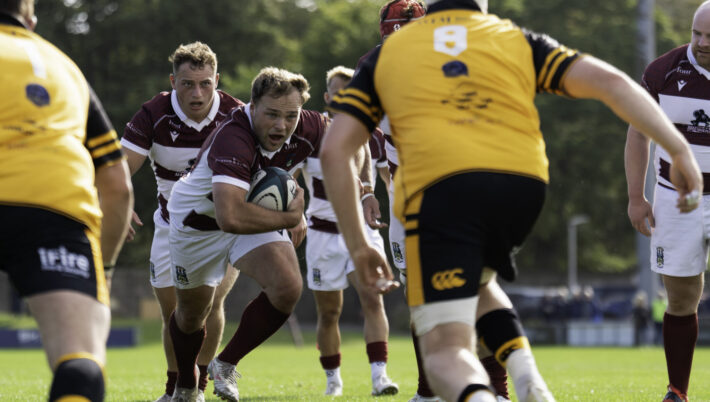 Cup & Competitions
Stuart Allison Ready to Lead Watsonian FC in Edinburgh Derby
Thu 1 Oct 2026
Cup & Competitions
Stuart Allison Ready to Lead Watsonian FC in Edinburgh Derby
Thu 1 Oct 2026
 Area Development
Vikki Mackay – giving the ultimate gift of life
Thu 1 Oct 2026
Area Development
Vikki Mackay – giving the ultimate gift of life
Thu 1 Oct 2026
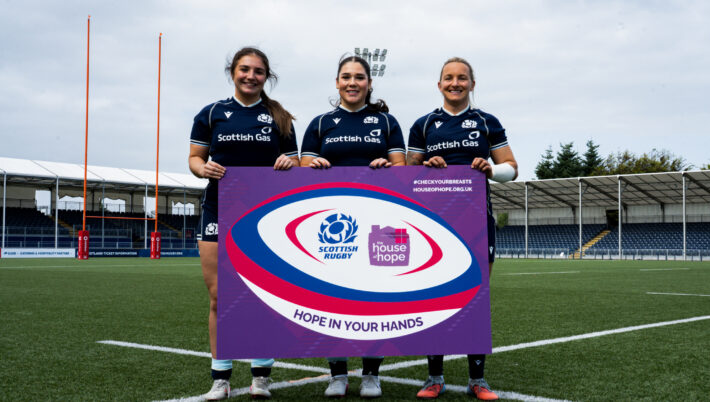 Scotland Women
House of Hope working with Scottish Rugby for Breast Cancer Awareness Month
Thu 1 Oct 2026
Scotland Women
House of Hope working with Scottish Rugby for Breast Cancer Awareness Month
Thu 1 Oct 2026
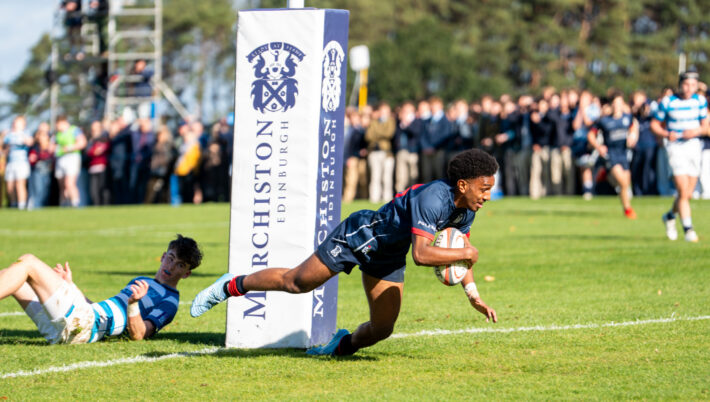 Cup & Competitions
Historic Rivalry Leads Weekend of School and Club Rugby
Tue 29 Sep 2026
Cup & Competitions
Historic Rivalry Leads Weekend of School and Club Rugby
Tue 29 Sep 2026
 Cup & Competitions
Merchiston and Edinburgh Academy Renew Rugby’s Oldest School Rivalry
Thu 24 Sep 2026
Cup & Competitions
Merchiston and Edinburgh Academy Renew Rugby’s Oldest School Rivalry
Thu 24 Sep 2026
 Cup & Competitions
Competitions continue across the country
Tue 22 Sep 2026
Cup & Competitions
Competitions continue across the country
Tue 22 Sep 2026
 Player Pathway
Girls’ Inter-District teams set for first outing of the season
Fri 18 Sep 2026
Player Pathway
Girls’ Inter-District teams set for first outing of the season
Fri 18 Sep 2026
 Cup & Competitions
Ollie Smith Looks Ahead to Scottish Rugby Match of the Week Between Marr Rugby and Ayr RFC
Thu 17 Sep 2026
Cup & Competitions
Ollie Smith Looks Ahead to Scottish Rugby Match of the Week Between Marr Rugby and Ayr RFC
Thu 17 Sep 2026
 Cup & Competitions
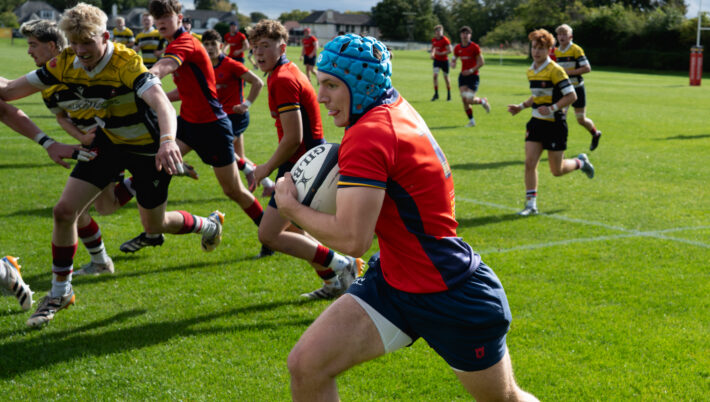
Competitions continue to gather pace as another weekend unfolds
Tue 15 Sep 2026
Cup & Competitions
Competitions continue to gather pace as another weekend unfolds
Tue 15 Sep 2026
 Area Development
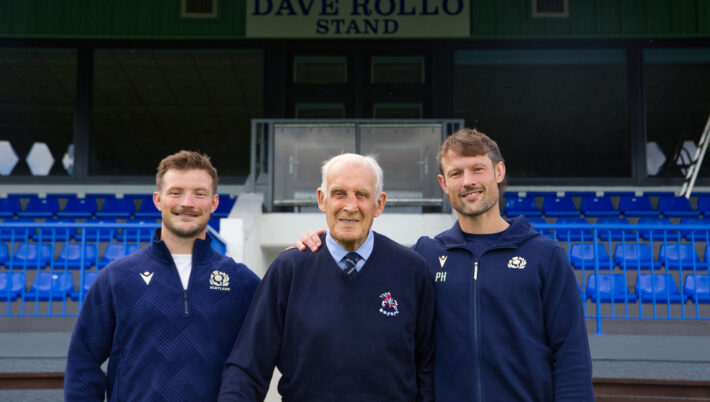
Dave Rollo lauded as Howe of Fife names Duffus Park stand in his honour
Fri 11 Sep 2026
Area Development
Dave Rollo lauded as Howe of Fife names Duffus Park stand in his honour
Fri 11 Sep 2026
 Cup & Competitions
Erskine Stewart Melville v Stirling County headlines this weekend’s action
Thu 10 Sep 2026
Cup & Competitions
Erskine Stewart Melville v Stirling County headlines this weekend’s action
Thu 10 Sep 2026
 Area Development
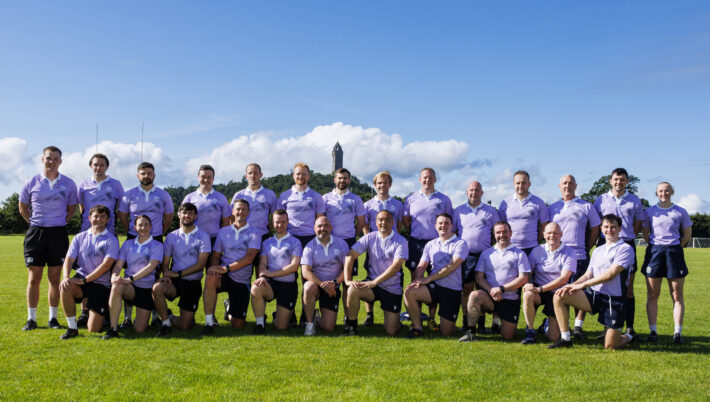
Match Official Conference Gets New Season Underway
Tue 8 Sep 2026
Area Development
Match Official Conference Gets New Season Underway
Tue 8 Sep 2026
 Cup & Competitions
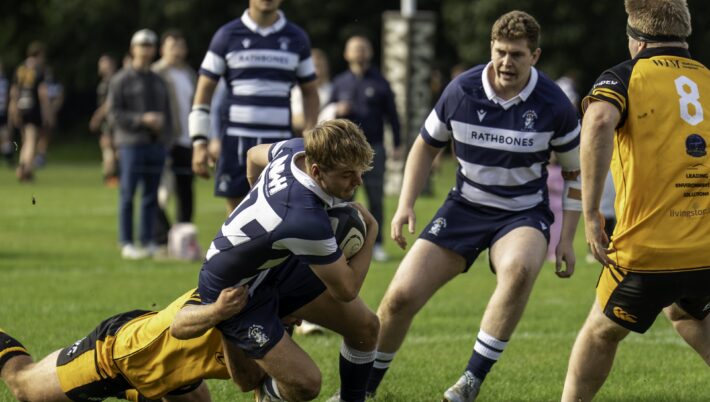
Currie hold off Heriot’s in Edinburgh Derby as busy club rugby weekend unfolds
Tue 8 Sep 2026
Cup & Competitions
Currie hold off Heriot’s in Edinburgh Derby as busy club rugby weekend unfolds
Tue 8 Sep 2026
 Cup & Competitions
Derby Day, Friday Night Lights and Premiership Action Await
Thu 3 Sep 2026
Cup & Competitions
Derby Day, Friday Night Lights and Premiership Action Await
Thu 3 Sep 2026
 Cup & Competitions
All eyes on the opening weekend of the Arnold Clark Women’s Premiership
Tue 1 Sep 2026
Cup & Competitions
All eyes on the opening weekend of the Arnold Clark Women’s Premiership
Tue 1 Sep 2026
 Cup & Competitions
Opening Weekend Delivers as 2026/27 Season Gets Underway
Mon 31 Aug 2026
Cup & Competitions
Opening Weekend Delivers as 2026/27 Season Gets Underway
Mon 31 Aug 2026
 Area Development
A tale of two Gregors
Thu 27 Aug 2026
Area Development
A tale of two Gregors
Thu 27 Aug 2026